


Scholar Hails Quran as Criterion Between Truth and Falsehood
IQNA – A leading Iranian religious scholar says the Quran must be used as a practical guide for distinguishing truth from falsehood, not treated only as a ceremonial text.
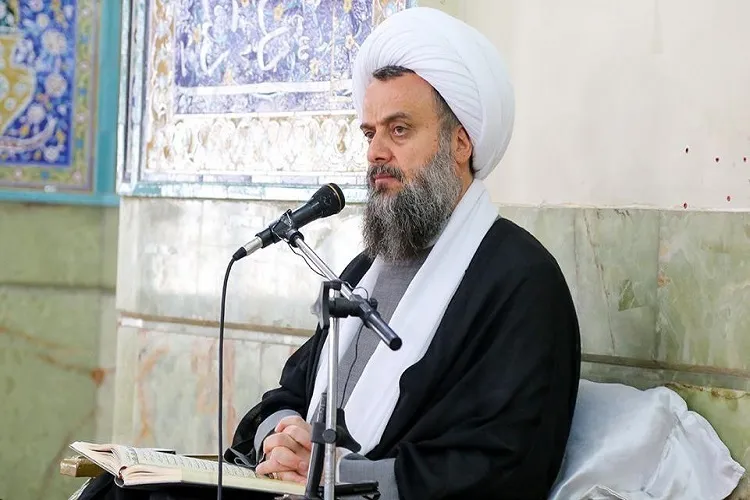
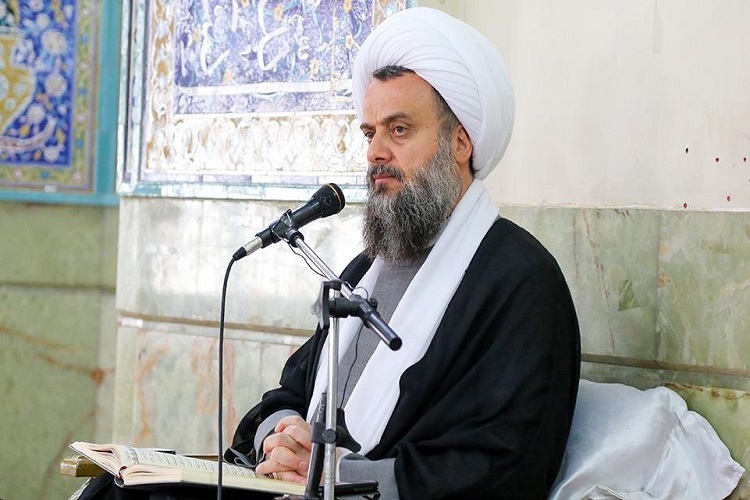
Ayatollah Mehdi Hadavi Tehrani delivered the remarks on Saturday during his ongoing tafsir sessions on Surah Al-Imran. He said the chapter begins by affirming that everything in the Quran is “the very truth” and confirms the core message of earlier divine scriptures.
Referring to verse four and its use of the word Furqan, he noted that the term is not exclusive to the Quran. “God says that He granted Furqan to Prophet Moses,” he said.
Citing Allameh Tabatabai, he explained that Furqan is the ability to separate truth from falsehood, and that this discernment is one of the most important tasks in human life.
Ayatollah Hadavi Tehrani asked whether Muslims today truly regard the Quran as a criterion for judgment or whether they approach it only ceremonially.
Read More:
“Some people only recite the Quran at funerals,” he said. “Others read it out of habit. But the real purpose of revelation is to apply it in life.”
“God has introduced the Quran as Furqan,” Ayatollah Hadavi Tehrani emphasized. “With the Quran as the standard, we can distinguish truth from falsehood in social issues and personal life. Unfortunately, this is not the case today.”
He said many converts he knows embraced Islam after encountering the Quran. One of them described entering a Muslim friend’s room during a period of deep personal distress. “I saw the Quran and read a few pages. It was as if the answers to my intellectual and spiritual questions were there,” he quoted the convert as saying.
The experience led him to Shia Islam, and he is now active in Europe and has translated several books into his native language, according to the cleric.
Read More:
Ayatollah Hadavi Tehrani added that those living in Muslim societies often take the Quran for granted. While authentic narrations from the Prophet’s family are valuable, he said, the Quran deserves far more attention.
Some people read a collection of narrations several times, he noted, yet rarely read the Quran with the intention of applying it to daily life. Others delve into lengthy commentaries where the essence of the text becomes buried under literature, history, law, philosophy, and theology, he added.
“The Quran was revealed for guidance,” he said. “We must read it with that purpose in mind and pay attention to its meaning.”
4319776
