


Muslim Unity Necessary for True Security, Honor in Region
IQNA – True security and honor in the region requires a unity amongst Muslim nations beyond nation-state model or beyond any fragile platform like OIC.
This is according to an article by Faraz Fateh published on the Middle East Monitor website.
He also stressed expelling foreign US bases that not only compromise sovereignty of a nation but have been a source of instability in the region.
The article is as follows:
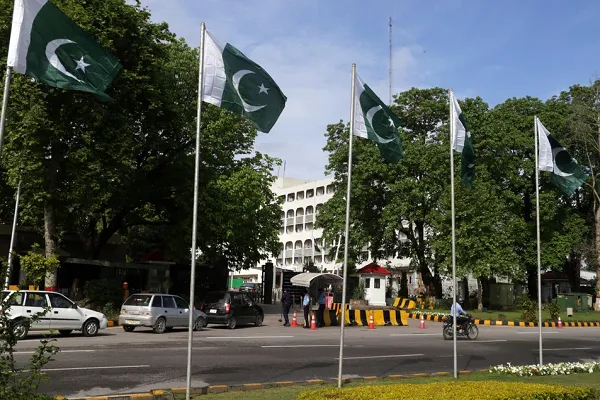
As news of the fragile two-week ceasefire between Iran, the United States, and Israel spreads in April 2026, many Muslims are breathing a cautious sigh of relief. Killings inside Iran have temporarily halted, and Pakistan’s diplomatic intervention has been widely praised for helping broker the deal. Yet this moment of apparent calm should not blind us to a bitter historical pattern: ceasefires offered to Muslim nations are rarely acts of justice. More often, they are tactical pauses granted by powerful aggressors only when continued conflict begins to hurt their interests. Celebrating them as victories risks repeating the same mistakes that have left the Ummah weaker and more divided.
History offers no shortage of examples to learn from. The 2020 Doha Accord allowed the United States and NATO an exit from Afghanistan not because Washington suddenly embraced peace, but because it desperately needed a face-saving withdrawal after two decades of war. In Gaza, the systematic destruction continued for more than two years, with pauses occurring mainly when international pressure or logistical strain weighed on the occupiers. Even in Pakistan-India tensions, ceasefires have often materialized within days when India found itself under pressure — a stark contrast to prolonged suffering when Muslims bear the brunt.
The recent Iran conflict follows the same script. Threats to “destroy Iranian civilization” were dialed back only after the closure of the Strait of Hormuz began seriously disrupting global energy flows and US-Israeli operations faced mounting costs (a request of additional $200bn funds for Iran war was requested by Pentagon). Pakistan’s role in mediation is being hailed as a diplomatic triumph, but we must ask: at what moral cost?
Rather than firmly condemning the aggression by US that killed thousands of innocent civilians, some voices in Pakistan have gone so far as to nominate President Trump for the Nobel Peace Prize. This is not statesmanship; it is a troubling inversion of justice.
Worse still, such ceasefires rarely deliver lasting security. They frequently give the stronger party time to regroup, rearm, and return with greater force. The 2006 Israel-Hezbollah war ended in a UN-brokered truce when Hezbollah’s resistance proved costly to Israel. Yet by 2024-2026, Israel assassinated key Hezbollah leaders and expanded operations into southern Lebanon — with thousands of ceasefire violations recorded and new “security zones” carved out of Lebanese territory. Today, even as the Iran ceasefire holds, strikes and occupation continue in Lebanon, while the broader “Greater Israel” project advances unchecked: relentless settlement expansion in the West Bank (with over 50,000 new illegal units approved in 2025 alone), dehumanizing legislation against Palestinians, and creeping annexation in Gaza and beyond.
The so-called diplomatic gains of aligning closely with Washington also deserve honest scrutiny.
Just last year, (Persian) Gulf Cooperation Council countries — Saudi Arabia, the UAE, and Qatar — welcomed Trump on his first foreign trip with lavish pledges of trillions in investment. Yet recent statements from the same administration have openly mocked these leaders.
This is the transactional reality of such partnerships: useful today, discarded or humiliated tomorrow. Pakistan would do well to remember this pattern rather than framing temporary mediation as strategic success.
Read More:
The current ceasefire may have paused bombs in one theater, but it has done nothing to halt the systematic dispossession elsewhere. If the Ummah continues to celebrate tactical pauses while the root causes of oppression deepen, we risk condemning future generations to even greater humiliation. The time has come for honest reflection, not applause. Only when Muslim nations prioritize comprehensive concept of Islamic unity over short-term expediency will the cycle of selective ceasefires and prolonged suffering finally break.
Today we watch as Muslim lands remain occupied, foreign military bases dot the region, and fragmented leadership prioritizes photo-ops with aggressors over collective dignity and strength. True security and honor in the region will not come from endless negotiations or selective praise for warmongers. It requires a unity amongst Muslim nations beyond nation-state model or beyond any fragile platform like OIC whilst expelling foreign US bases that not only compromise sovereignty of a nation but has been a source of instability in the region.
Source: Middle East Monitor
