


Senior Iranian Qari Calls for Deeper Engagement with Quran
IQNA – A prominent Iranian qari, while celebrating the country’s international success in Quran competitions, cautioned that an over-emphasis on beautiful recitation risks overlooking the Holy Book’s deeper spiritual and ethical messages.
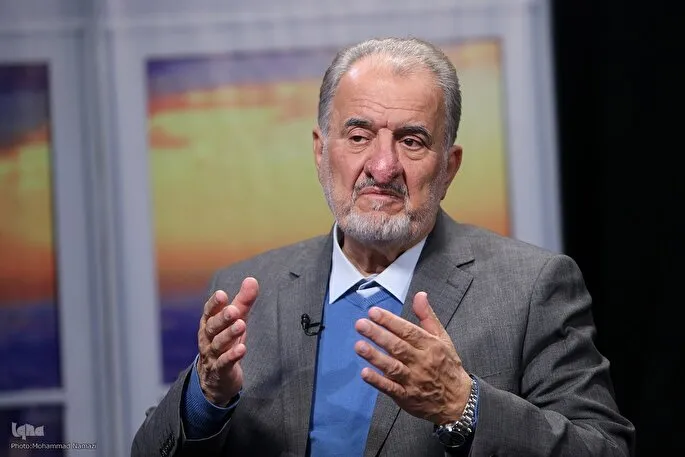
In an interview with IQNA, Abbas Salimi urged the Quranic community to move beyond mere recitation toward contemplation and practical application of the Quranic teachings in daily life.
The veteran Quran expert stated that the profound benefit of the Scripture is lost if it is not reflected in one’s daily actions. He identified a fixation on flawless recitation as a potential pitfall for some within the religious community.
The internationally recognized qari and a television host for Quranic programs reflected on Iran’s global standing in Quranic fields, built over decades by skilled and committed reciters.
Salimi himself helped establish this reputation by winning first prize at an international competition in 1979, shortly after Iran’s Islamic Revolution.
“All our message to our dear youth is this saying,” Salimi stated, referencing a teaching from Imam Sadiq (AS). “If they desire happiness and want to remain immune to the ethical challenges of the times, and if they make companionship with the Quran an agenda in their lives, they will certainly be happy in this world and prosperous in the hereafter.”
He acknowledged Iran’s remarkable progress in recitation techniques over the past five decades, crediting national institutions, teachers, and families.
“However, we must not neglect a point,” Salimi cautioned, adding that there should also be efforts to progress in the dimension of contemplation, Islamic ethics, and Quranic lifestyle to the same extent that “we have made progress in the techniques and skills of recitation.”
“We must know that alongside these successes (in international Quran contests), if the Quran does not find a concrete and practical manifestation in our lives, we will not have derived sufficient benefit from it,” he said.
“We must pass through the words with respect, enter the valley of contemplation and thinking in the Quran, receive its message and spirit, and implement it in life,” he stated.
Read More:
Salimi highlighted a key distinction. “Remember that there is a difference between Quranic sciences and Quranic knowledge,” he said. Recitation, memorization, and study are ‘Quranic sciences’, he noted, but not necessarily ‘Quranic knowledge’.
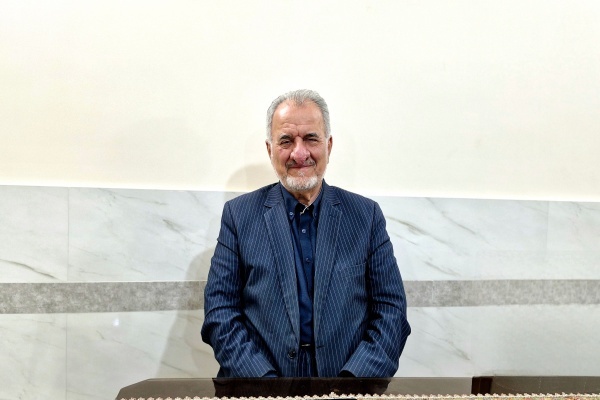
“Quranic knowledge means understanding the Quran, knowing divine commandments, and observing its do’s and don’ts,” Salimi went on to say.
He expressed hope that future progress would balance excellence in recitation with deeper engagement and living by the Scripture’s tenets.
4320081
