


How a Jordanian Mosque Is Recycling Ablution Water to Create a Green Oasis
IQNA – In one of the world's most water-scarce countries, a mosque in Jordan has found an innovative way to conserve resources by recycling water used for ritual ablution and redirecting it to irrigate its gardens.

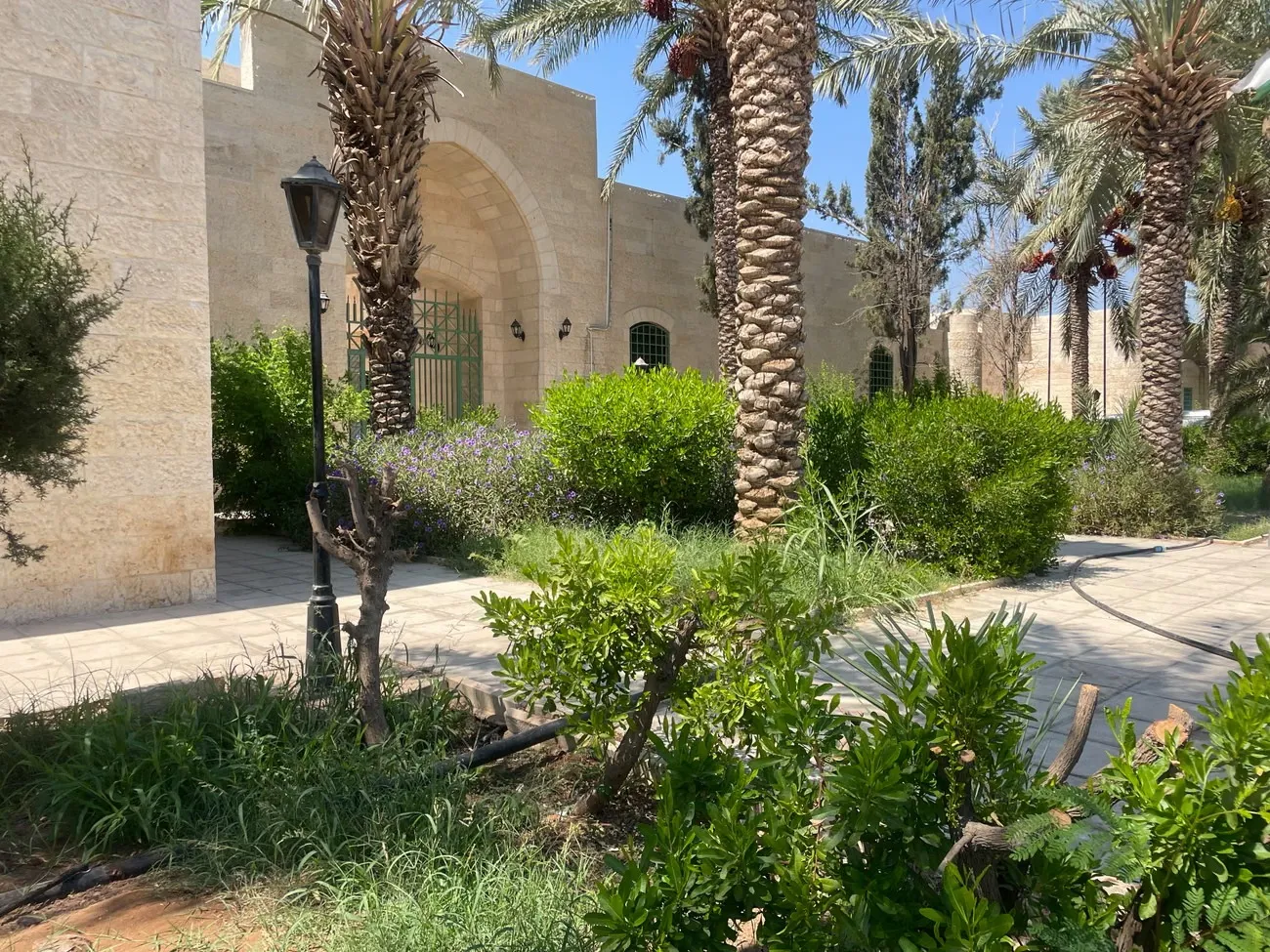
The Abu Obeida Mosque in Deir Alla, in the Balqa governorate west of Amman, stands in one of the hottest and driest parts of the Jordan Valley. Despite the surrounding arid landscape, the mosque is surrounded by trees, bushes and flowerbeds sustained by a drip-irrigation system.
The water does not come from the municipal supply. Instead, it is collected from the taps used by worshippers to wash their hands, faces and feet before prayers.
Muslims perform wudu, the ritual washing required before prayer, five times a day. In Jordan, where renewable freshwater availability stands at just 61 cubic metres per person annually, every drop matters. This figure is far below the United Nations' absolute water scarcity threshold of 500 cubic metres per person.
Ahmed al-Rawsan, founder of the Jordanian Aqua Conservation Association (JACA), which manages the mosque's recycling system, says the initiative demonstrates how religious institutions can put environmental values into practice.
The system works through pipes installed beneath the mosque's ablution area. Used water is collected and transferred to a treatment unit, where it passes through five layers of gravel and sand before being redirected to the garden.
"People here understand water scarcity because they live it every day," al-Rawsan says. He adds that the absence of soap during ablution makes treatment relatively simple, as the water contains no chemicals that would complicate the process.

The initiative comes against the backdrop of Jordan's mounting water challenges. The country, home to approximately 11.3 million people, imports most of its food, while municipal water is rationed. In some areas, households receive piped water for as little as 12 hours a week and rely on rooftop storage tanks to meet their needs.
The potential impact is significant. A 2025 peer-reviewed study estimated that 3.6 million mosques worldwide consume approximately 22.5 million cubic metres of water annually for ablution. Jordan alone has more than 7,600 mosques.
However, expanding the initiative has proved difficult. Over 18 years, JACA has introduced similar systems in only 18 mosques and schools, facing financial, technical and administrative obstacles, particularly regarding responsibility for maintaining the installations.
Mohammad al-Tawalbeh, a spokesperson for Jordan's Ministry of Awqaf, says awareness programs have reached 1,200 muezzins, 750 female preachers, 110 imams and 28 technicians. More than 35 mosques are already using ablution water for irrigation and cleaning.
Jordan has also made considerable progress in wastewater reuse. Former Irrigation Minister Mu'tasim Sa'idan says approximately 150 million cubic metres of wastewater are reused annually, around 90% of which goes towards irrigation. Nevertheless, he cautions that the volume of ablution water should not be overestimated.
Beyond infrastructure, changing public behaviour remains another challenge. Abdullah Khaled, a worshipper in Amman, says people may listen to Friday sermons about water conservation but fail to apply the message at home.
The project highlights how religious institutions can contribute to environmental sustainability, turning an everyday religious practice into a practical response to one of Jordan's most pressing challenges.
Source: The Guardian
