

Imam Reza’s Model of Dialogue Offers Guidance for Interfaith Engagement: Researcher

The comments come as scholars across the Muslim world continue to explore methods for strengthening understanding between faith traditions. Interfaith discussions have become increasingly important in diverse societies, where religious literacy supports social cohesion.
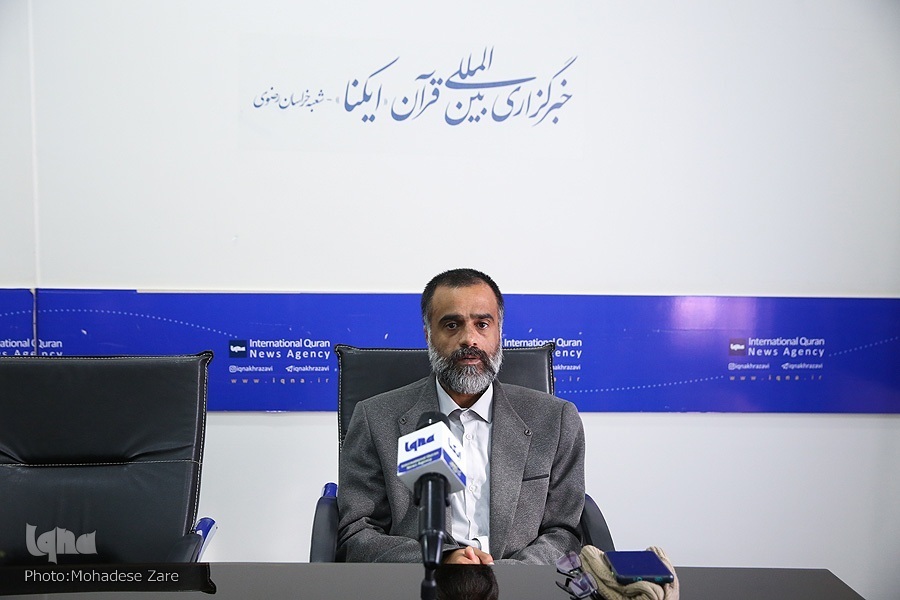
Mahdi Ghasemi, a researcher at the Islamic Civilization Research Institute, told IQNA that the “main benefit” of studying religions and sects is to understand their similarities and differences and, ultimately, to explain the distinct features of Islamic teachings.
He drew on Imam Reza’s (AS) scholarly example and said that one of the core methods used by the Imam was “iskāt-e khasm”—refuting an argument by relying on the other side’s own sources.
Read More:
Ghasemi said this method should never lead to blind promotion of the doctrines of other faiths or to any form of coercion.
He said the most important contemporary value of studying world religions is gaining accurate knowledge of the theological, intellectual and spiritual traditions found in communities such as Zoroastrians, Christians and Jews.
This understanding, he noted, sharpens research methods and encourages fair, informed inquiry.
Such work, he added, requires specialists because the structure of those traditions differs from Islamic scholarship.
According to him, a second key benefit of religious studies is identifying common ground and differences. Once these are known, he said, scholars can present Islam’s strengths by drawing on evidence that emerges from “the sacred books of other religions.”
A third benefit, Ghasemi explained, is learning the scriptures of other faiths, including both the Old and New Testaments.
He noted that the Old Testament contains 39 books. He reiterated that Muslims have a religious duty to defend Islam’s core principles through dialogue, though this should not be confused with promoting the theological doctrines of other traditions.
Read More:
When asked about practical models for constructive dialogue, he said that Imam Reza (AS) serves as an example. He said that the Imam, armed with divine knowledge and familiarity with the sacred texts of other religions, “held healthy debates” among different faiths.
According to him, this method is still applicable today. Ghasemi described Imam Reza (AS) as the “Imam of dialogue,” because he understood other religions and used “iskāt-e khasm” to engage opponents by referring to their own sources.
Ghasemi added that Muslims should study both Islamic teachings and the knowledge systems of other religions in order to explain Islam with clarity and understanding.
4317338
