


Report Says British Muslim Donations Are Providing Key Support to UK Public Services
IQNA – A new study says charitable giving by British Muslims is increasingly helping to support public services under financial strain.
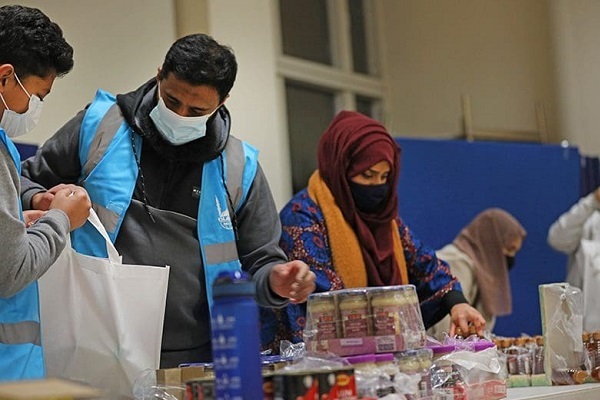
The report, issued by the policy group Equi, examines how donations from Muslim communities interact with frontline services such as local councils, the NHS and welfare support. It places this trend within a broader context of rising costs and stretched public budgets across the UK.
The study estimates that Muslim donors contribute about £2.2 billion each year. It states that this figure is several times higher than the national average and even greater among higher-income givers.
According to Equi, Muslim-led organisations provide assistance ranging from housing support and emergency grants to food aid and mental-health services.
The report cites 2023 data suggesting that housing interventions run by the National Zakat Foundation helped prevent evictions that would otherwise have imposed significant costs on local authorities.
Read More:
The study also notes a shift among younger British Muslims, who are directing more of their charity toward domestic issues such as homelessness and child poverty.
Equi says the sector faces obstacles including de-banking, funding restrictions and what it describes as limited policy engagement. One section of the report says these challenges are constraining the sector’s ability to maximise its contribution.
Equi Managing Director Prof. Javed Khan said: “British Muslim giving is not just generosity but a lifeline for public services that needs recognizing.”
The organisation recommends measures such as UK-based match-funding schemes and improved faith literacy among policymakers, arguing that closer cooperation could enhance the impact of charitable giving nationwide.
Source : Agencies
