


Veteran Quran Teacher Warns Against Rising Trend of Musical Undersound in Recitations
IQNA – A prominent Iranian Quran instructor has warned that adding musical undersound beneath Quran recitation risks becoming a “dangerous distortion” of a centuries-old sacred tradition.
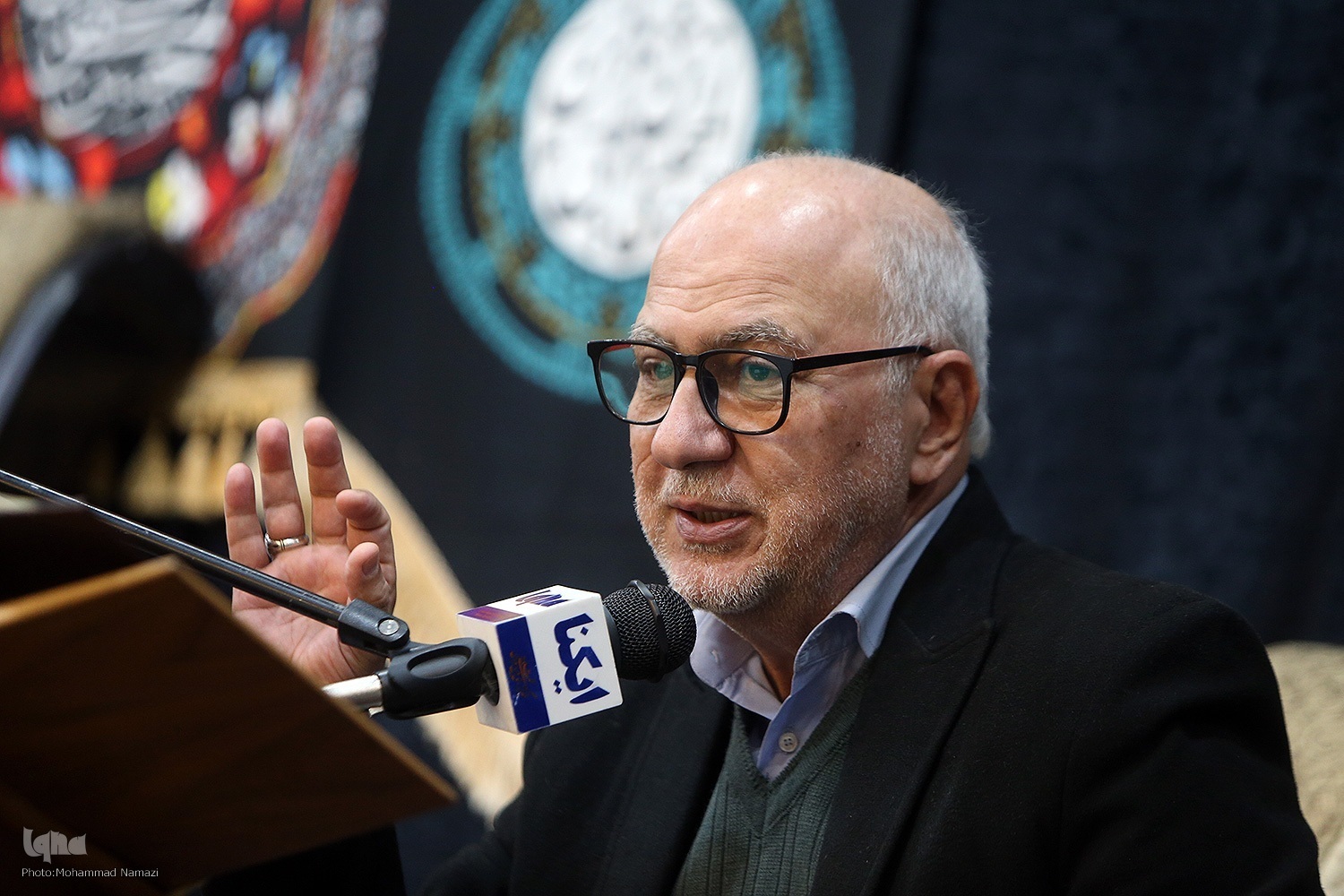
In an Op-Ed shared with the IQNA, Seyyed Mohsen Mousavi-Baladeh, a senior Quran scholar and author, criticized the emerging practice of “adding background sounds to the recitation of the Holy Quran.”
He cautioned young reciters that the trend represents a “new form of bid‘ah and a very serious threat.”
Explaining the phenomenon, he wrote: “The reciter reads the Quran while, at the same time, a sound or melody is played in the background… It makes no difference whether this undersound comes from another voice, an instrument, or even computer-generated effects.”
This, he said, amounts to a type of musical harmonization rather than proper solo recitation.
Mousavi-Baladeh argued that such additions could gradually “change and damage the public’s auditory taste,” comparing the shift to how highly processed snacks replaced simple, healthy foods in the diets of children.
Just as unhealthy foods reshape habits, he warned, artificially beautified recitations could eventually weaken appreciation for classical Quranic styles rooted in tajweed and traditional melodic modes.
Read More:
He noted that Muslims have listened to pure, unaccompanied Quranic recitation for 1,400 years, beginning with Prophet Muhammad (PBUH) and continuing through the Imams.
Throughout modern history, he added, the introduction of recording technology helped preserve the solo masterpieces of great reciters such as Abdel Basit Abdul Samad, admired globally by Muslims and non-Muslims.
However, Mousavi-Baladeh warned that if recitation becomes blended with music, audiences may eventually lose interest in traditional solo performances.
“Do we want a day to come when a reciter reads the Quran alone and no one listens unless music accompanies it?” he asked.
Mousavi-Baladeh noted that safeguarding the integrity of Quran recitation is both a religious and cultural responsibility.
4319603
