


Malaysian Muslim Philosopher Muhammad Naqib Al-Attas
IQNA – Malaysian Muslim philosopher Muhammad Naqib Al-Attas, a prominent figure in Malaysian Islamic philosophy, passed away earlier this month.
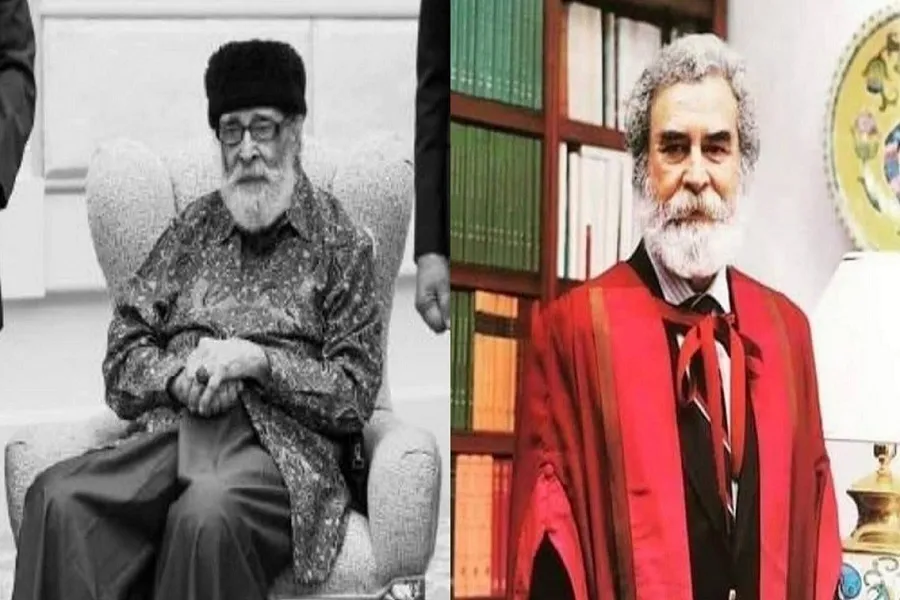
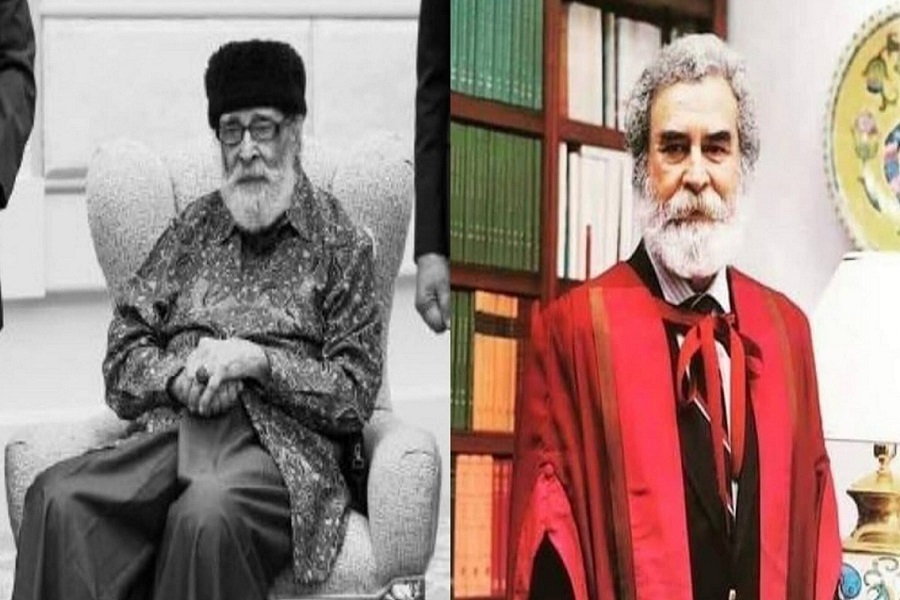
Al-Attas, died at the age of 94 on March 8, 2026, corresponding to Ramadan 18, 1447 AH.
He played an important role in reviving the concepts of modern Islamic knowledge and education, according to the Muslimsaroundtheworld website.
Following is an article by Egyptian journalist Magdy Saeed, about this Malaysian thinker:
The importance of Muhammad Naqib Al-Attas lies in the fact that his recognition began with an influential declaration issued by Yusuf Islam, one of the most prominent British Muslim figures. In that declaration, Yusuf Islam referred to Attas's contributions to the Islamization of science, which directly inspired the establishment of an Islamic school in 1983, and his papers at the First World Conference on Islamic Education in Mecca in 1977 formed the basis for the construction of modern curricula.
Origins and Birth: Cultural Connections between Hadhramaut and Southeast Asia
Attas was born in 1931 in the city of Bojur on the Indonesian island of Java, during the Dutch occupation. He came from an old Hadhrama family of the Alawite dynasty that had migrated to Southeast Asia centuries earlier. This geographical and cultural connection was part of his early consciousness and helped shape a comprehensive perspective between Islamic heritage and contemporary reality.
Changing Fate: From a Military Path to Philosophy and Sufism
After completing his secondary education after World War II, Attas joined the Malaysian Army and trained as an officer, and received military training in Britain, including at Eton Hall in Chester and the Royal Military Academy at Sandhurst, from 1952 to 1955. However, this path was only a passing phase, as he soon turned to his true interests in philosophy and Sufism and resigned from military service to attend the University of Malaya, a step that was to be a turning point in his life.
Read More:
Academic Development: A Journey between Canada and the United Kingdom
Attas continued his education by obtaining a Master's degree in Islamic Philosophy from McGill University in Canada in 1962. Then, in 1965, he received his PhD from the School of Oriental and African Studies in London, where his thesis was on the life and works of the Malay Sufi Hamza Fensuri. This work helped to revive interest in the Malay Sufi heritage and its relationship to the broader Islamic intellectual framework.
Organizational Contributions: Establishing Cultural and Linguistic Identity in Malaysia
After returning to Malaysia, Attas assumed prominent academic roles, including the Chair of the Department of Malay Literature and the Vice-Chancellor of the Faculty of Arts at the University of Malaya and later at the National University of Malaysia. He was instrumental in promoting the status of the Malay language and establishing it as the national language, and was the Director of the Institute of Malay Language, Literature and Culture. Attas is known as one of the most important builders of Malaysia's cultural identity.
4343200
