


Growing Anti-Muslim Sentiments in US
TEHRAN (IQNA) - The US Education Department is urging the nation’s colleges and K-12 schools to guard against harassment and discrimination based on race, religion or national origin, a response to anti-Muslim and anti-refugee sentiments that appear to be on the rise.
"A focus on these protections, while always essential, is particularly important amid international and domestic events that create an urgent need for safe spaces for students,” reads the Dec. 31 open letter to school leaders, which was signed both by Arne Duncan, who stepped down asU.S. Education Secretary that day, and John B. King Jr., whois now serving as acting secretary.
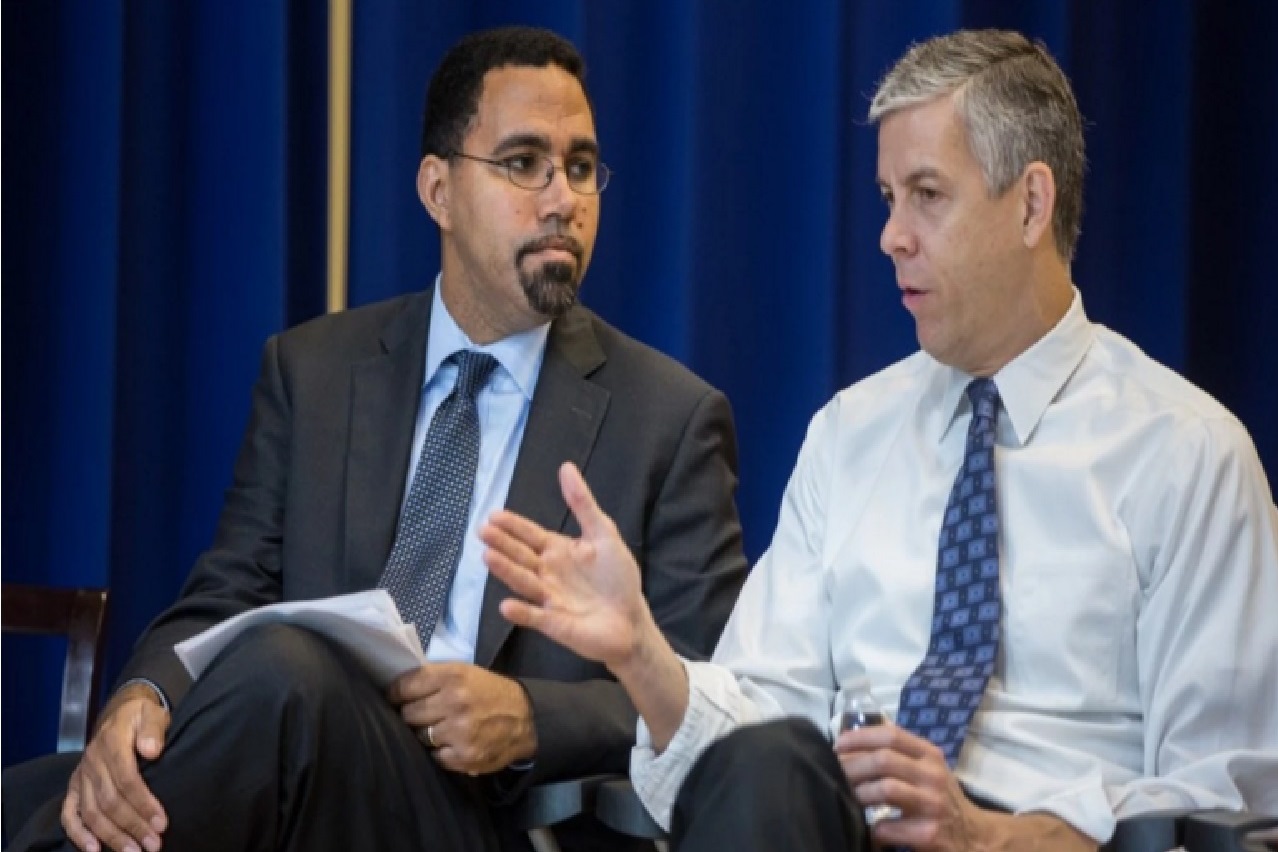
The letter described the kind of behavior that schools should look out for, from name-calling to physical attacks, and singled out students who are most likely to needprotection: "Those who are, or are perceived to be,Syrian, Muslim, Middle Eastern, or Arab, as well as those who are Sikh, Jewish, or students of color.”
Theguidance to schools comes after terrorist attacks in Paris and San Bernardino, Calif. fueled a backlash against Muslims and a a vigorous public debate about whether to welcomerefugees fleeing violence in Syria. More than two dozen Republican governors have saidthey don’t want refugees in their states and GOP presidential candidate Donald Trump has called for rejecting all Muslim refugees seeking to enter the U.S.
The Council on American-Islamic Relations has reported an increase in reports of bullying and discrimination against Muslim students in the past year.CAIR’s 2014 survey of Muslim youthages 11-18 in California found that a majority of them — 55 percent — had been bullied at school because of their religion. And not all of the offensive behavior came from other students: One in five Muslim youth, or 20 percent, reported discrimination by a teacher, administrator or other staff member.
Source: Washington Post
