


Weak Faith Stems from Neglecting the Quran, Scholar Warns
IQNA – A prominent Iranian cleric has warned that weakening faith in society is rooted in distancing oneself from the Quran, urging Muslims and officials to renew their commitment to the holy book.
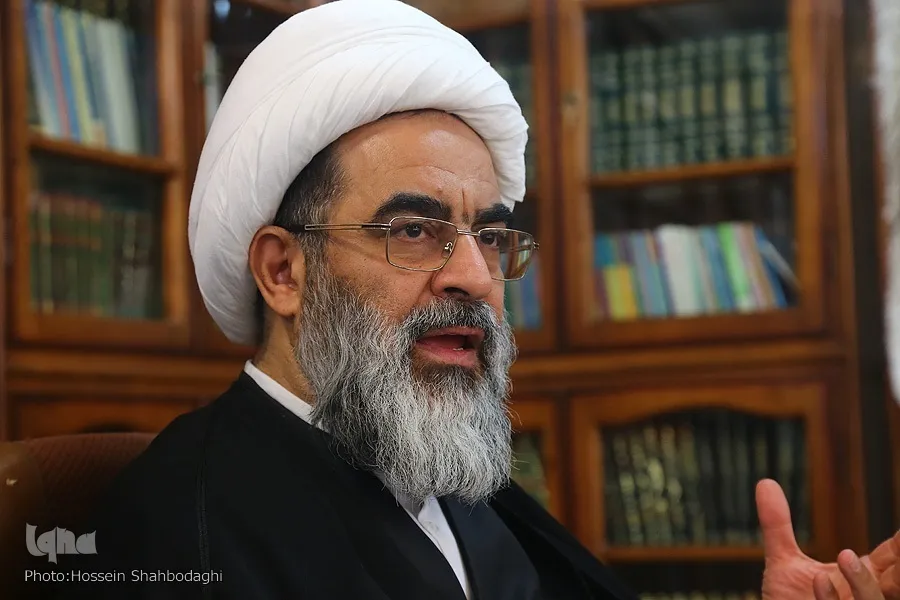
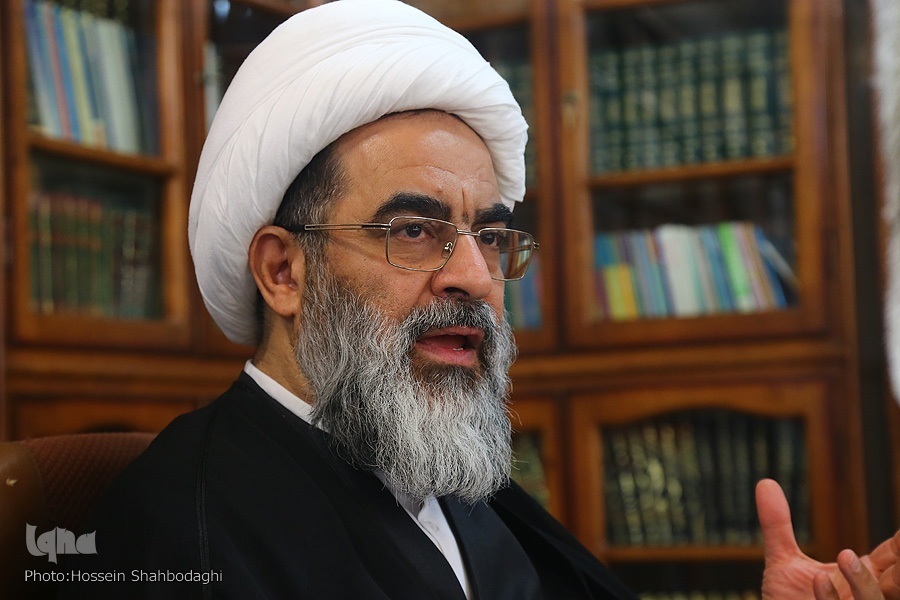
The remarks came at the opening of the final round of the 48th National Quran Competition in the Islamic knowledge division, an event hosting government representatives, international students, and top Quran reciters and memorizers.
Ayatollah Javad Fazel Lankarani said one of the great achievements after Iran’s 1979 revolution was the revival of Quranic culture. He noted that attention to scripture increased alongside interest in texts such as Nahj al-Balagha and the Sahifa Sajjadiyya, but the Quran’s role “cannot be compared with any other book.”
He said, “If society, officials, seminaries and universities become distant from the truth of the Quran, they will suffer irreparable loss.”
He went on to quote verse 121 of Surah Baqara which reads: “Those whom We have given the Book follow it as it should be followed; it is they who have faith in it, and those who deny it—it is they who are the losers.” He explained that true recitation means obedience, and that failing to follow the Quran “creates a degree of denial” toward divine guidance.
Read More:
Lankarani described the Quran as containing “all sciences, all news and every key to human guidance.”
Human development, he said, is impossible without close companionship with revelation, because God’s guidance “cannot reach humanity in the absence of the Quran.”
He stressed that recitation is not merely vocal. True engagement, he said, shapes character and instills divine attributes in the human heart.
He also noted that despite the Quran’s centrality, “society’s knowledge of the Quran is weak,” and even intellectuals lack proper familiarity with its teachings. Following the Quran, he added, “is a right that the Book has over all of us.”
Citing Quran 7:170 — “As for those who hold fast to the Book and maintain the prayer—indeed We do not waste the reward of the reformers” — he said the verse shows that moral and social reform depend on scripture, not on human preferences or political trends.
Lankarani questioned how deeply officials engage with the Quran, saying the roots of weak belief lie in abandoning it.
Read More:
He urged cultural institutions to present Quranic teachings in ways suited to different social groups, warning that Quranic commitment among top officials has become “faint.”
He called for Quranic principles to be visible “on the ground,” in markets and public spaces, starting with those in positions of authority. Governing society purely through human intellect, he argued, leads down “the wrong path.”
He said the Quran is the most effective tool for purifying the heart, and that the supplications of the Imams offer a divine model for both personal and social life.
The competition continues in Qom through 7 December, with separate sessions for men and women.
4320139
