


Quran Places Emotions at Core of Social Order: Researcher
IQNA – The Holy Quran does more than shape belief and morality as it organizes human emotions and turns them into tools for building a stable social order, says an Iranian researcher.
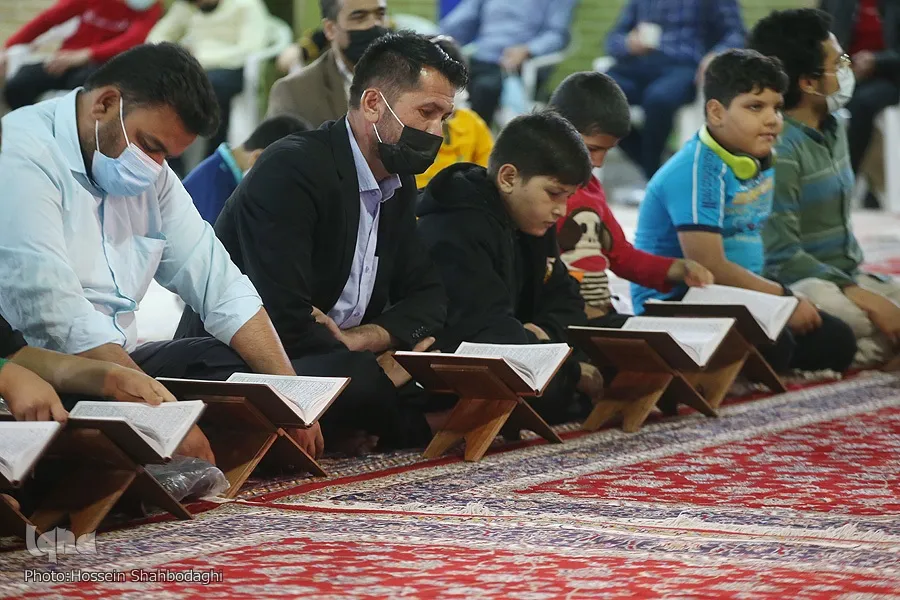
Speaking at a seminar on “The Quran’s Emotional Culture: A Sociological Study of Collective Feelings”, Mohsen Masoudian, an assistant professor at the Institute for Humanities Research, said the scripture functions as “a regulator of emotions” and guides believers on when to show kindness, express anger, feel shame or discard it.
Masoudian explained that emotions are not only private experiences but drivers of group behavior.
They help define collective identity and sustain social cohesion, he said, noting that early Muslim society developed through a shared emotional pattern similar to what modern psychology calls an “emotional culture.”
He said the Quran constructs this culture mainly by balancing fear and hope, which he described as the “engine of ethics and collective action.”
Fear (khawf) and hope (raja), he argued, are framed in the text not merely as personal sentiments but as social mechanisms that strengthen unity and empower communities facing hardship.
Read More:
He pointed to Quranic verses on accountability that cultivate fear, alongside passages that inspire hope, saying the two work together to prevent excess on either side.
Masoudian added that in the earliest Muslim community—marked by conflict, siege and tribal pressure—the Quran encouraged patience, trust and resilience. These teachings “generated hope and managed emotional behavior,” enabling believers to see themselves as agents of change.
Love, compassion and mercy also function as social forces in the Quran, he said.
These emotions create empathy, reinforce solidarity and build social capital. According to Masoudian, Quranic teachings elevate compassion from a personal feeling to a public norm, strengthening forgiveness and cooperative behavior.
He stressed that shared emotions such as mercy help bind communities together, creating networks of support and reducing internal conflict.
Verses linked to brotherhood and compassion establish an “emotional atmosphere” that promotes unity, he said.
Read More:
Masoudian also highlighted the Quran’s use of anger and shame as tools of social regulation. Anger becomes constructive only when tied to ethical responsibility, he noted, while shame operates as a social restraint by making individuals aware of the consequences of their actions.
A central concept in his remarks was khishya—a blend of fear, awareness and moral responsibility. He described it as an emotion emerging from understanding divine greatness and the outcomes of one’s behavior, turning fear into an ethical force that strengthens self-restraint and social responsibility.
Masoudian added that the Quran transforms individual emotions into shared norms and, ultimately, into a collective moral order.
Hope, mercy and compassion, he said, reduce anxiety and guide communities toward repentance, renewal and social cohesion.
4320093
