


Kuwait Grand Mosque: An Architectural Masterpiece, An Educational Hub
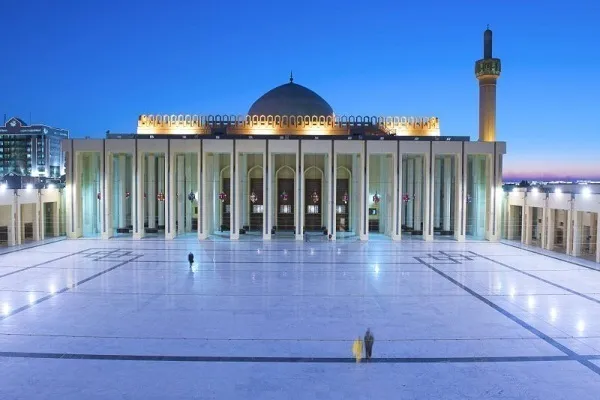
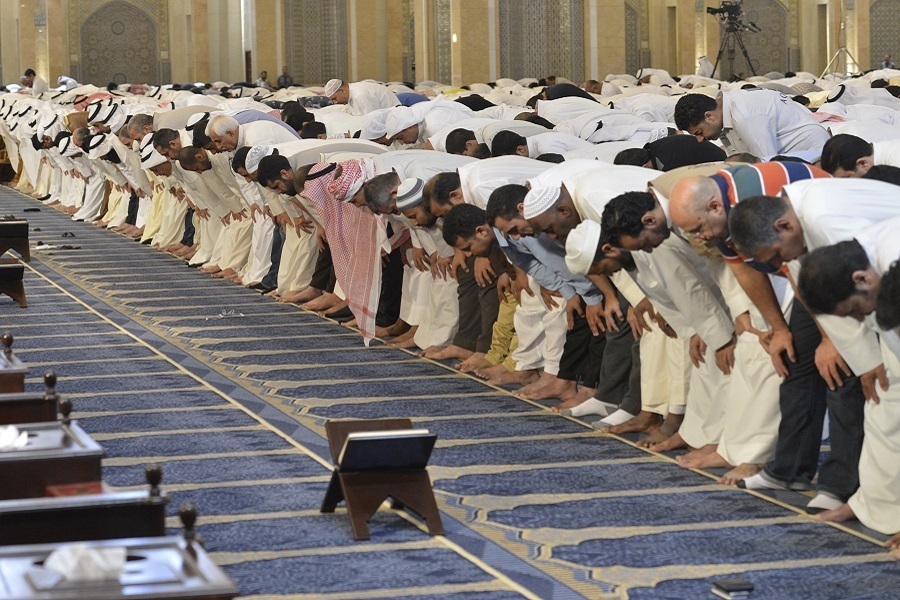
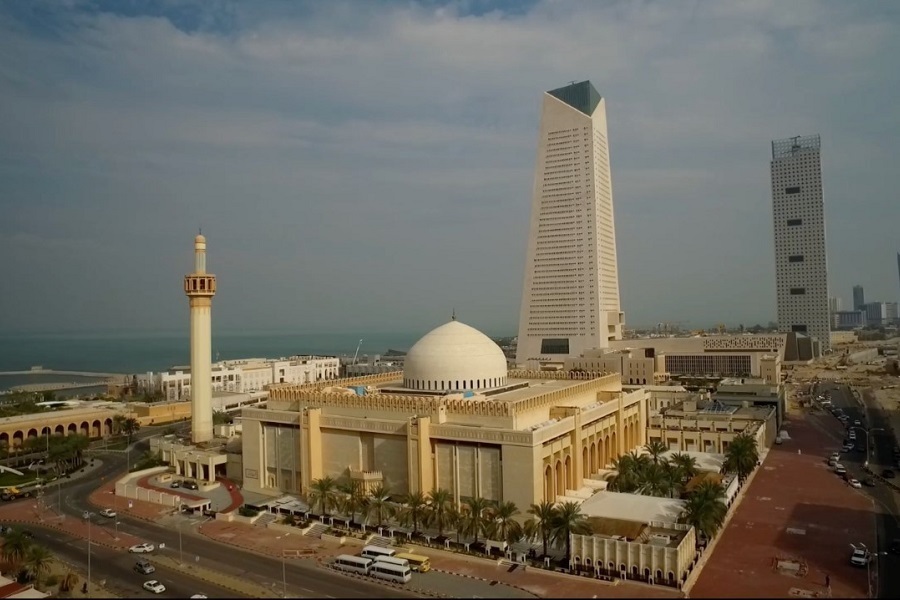
IQNA – In the heart of Kuwait City, the capital of Kuwait, there is one of the largest mosques in the world, which is not only a center of prayer for thousands of worshipers, but also a cultural and educational building.
It is a well-known educational center, as it includes a large library that houses hundreds of Islamic reference books.
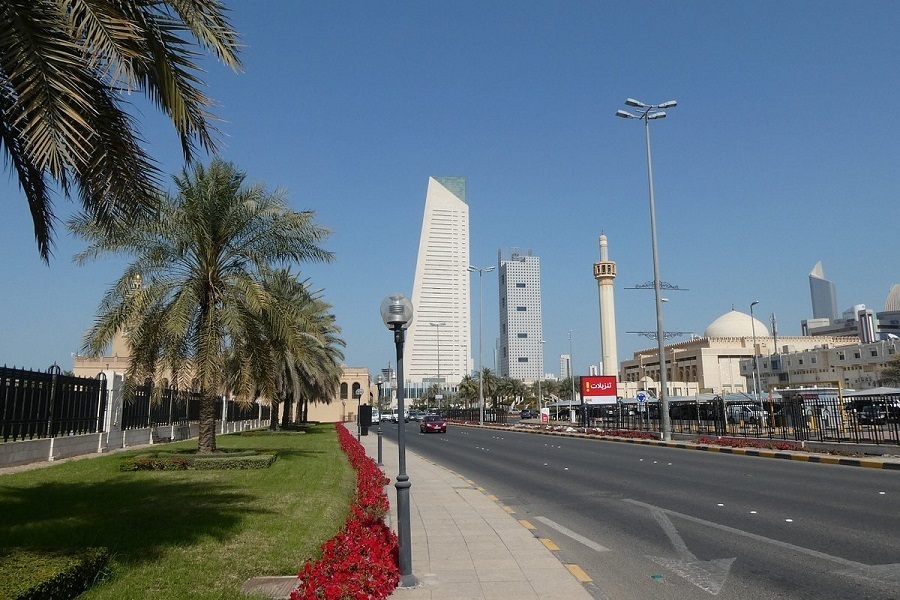
Kuwait City, located on the northwestern coast of the Persian Gulf, is home to a number of outstanding historical monuments that attract visitors and tourists of all tastes to see these places, including the Kuwait Grand Mosque.
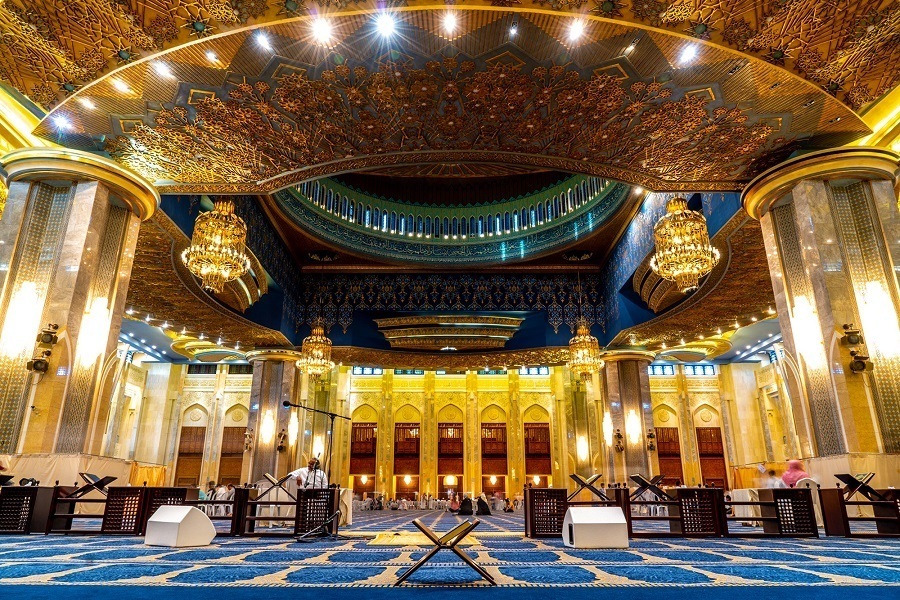
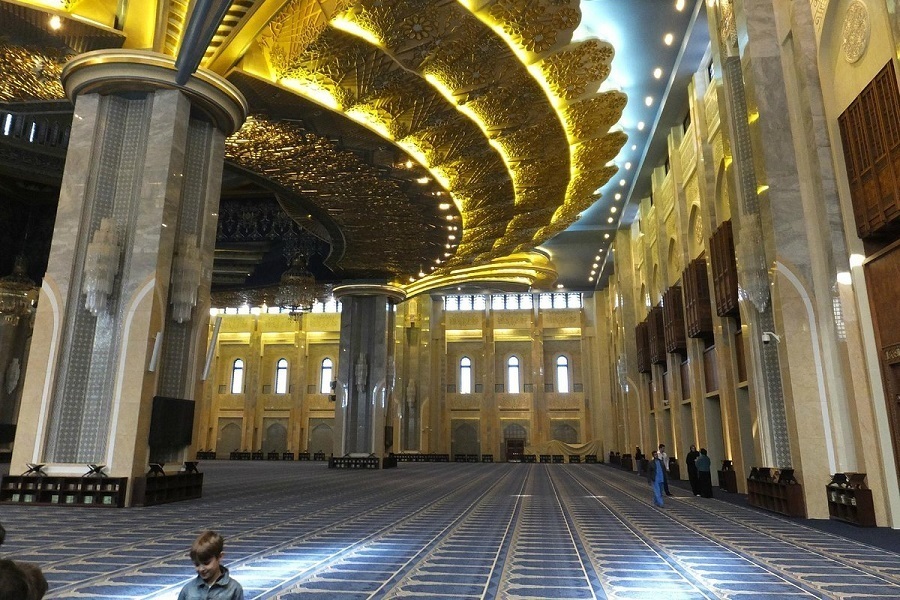
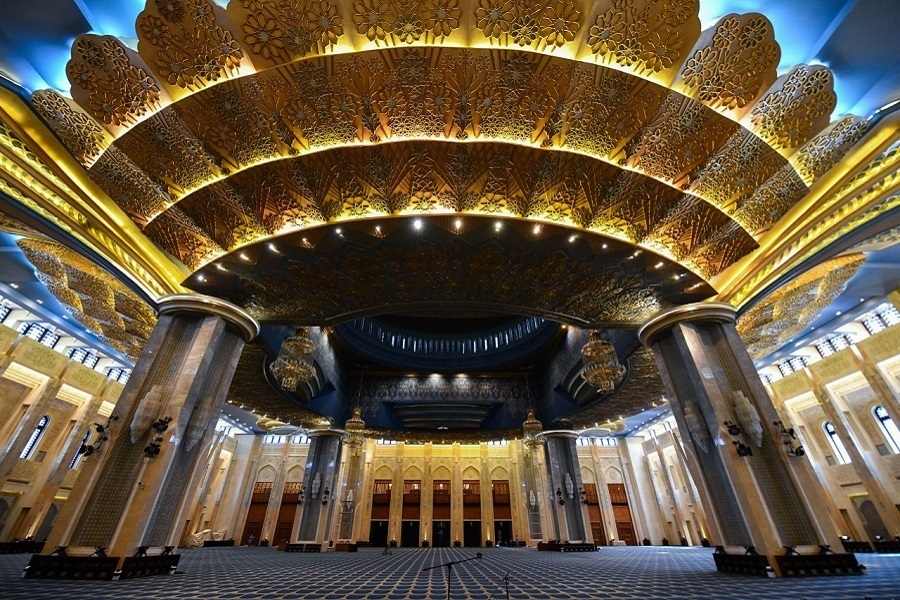
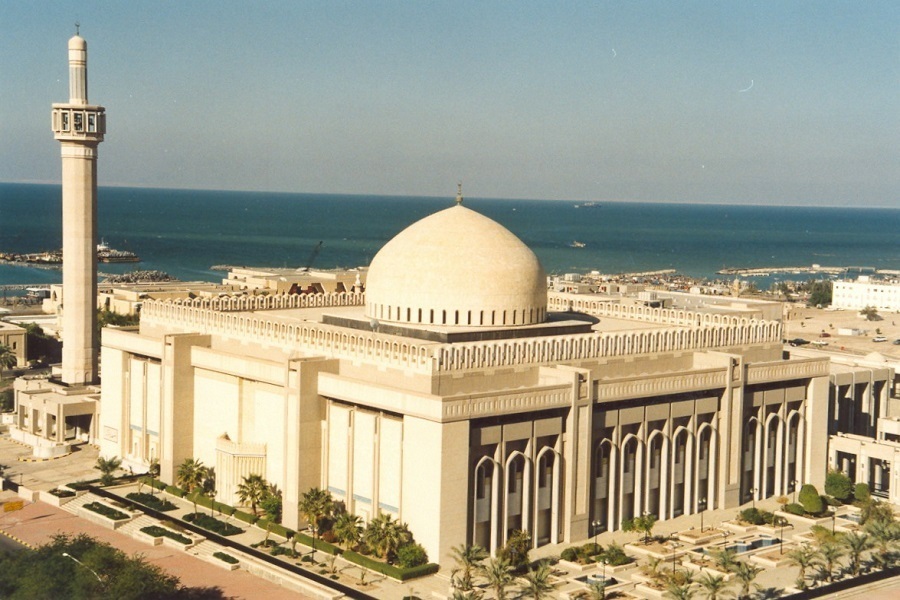
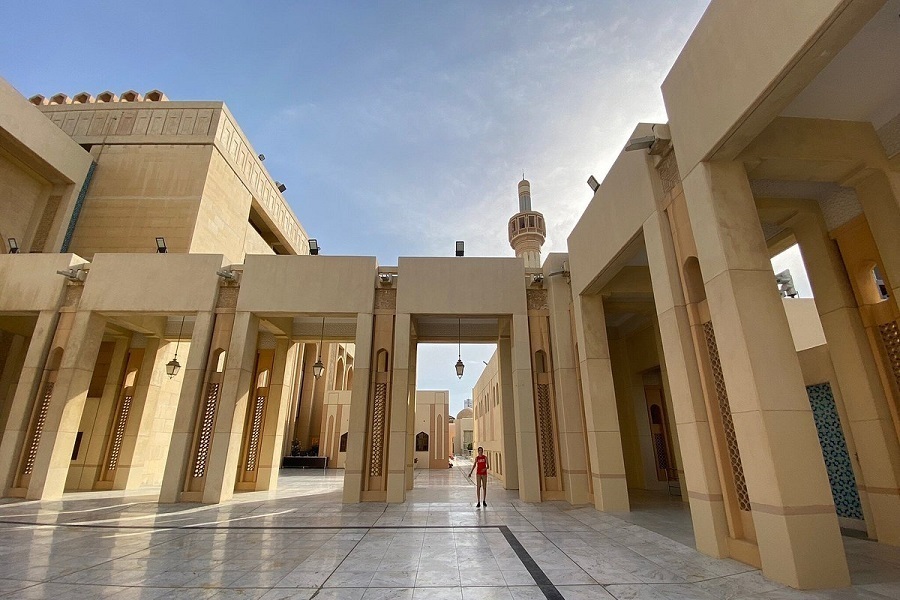
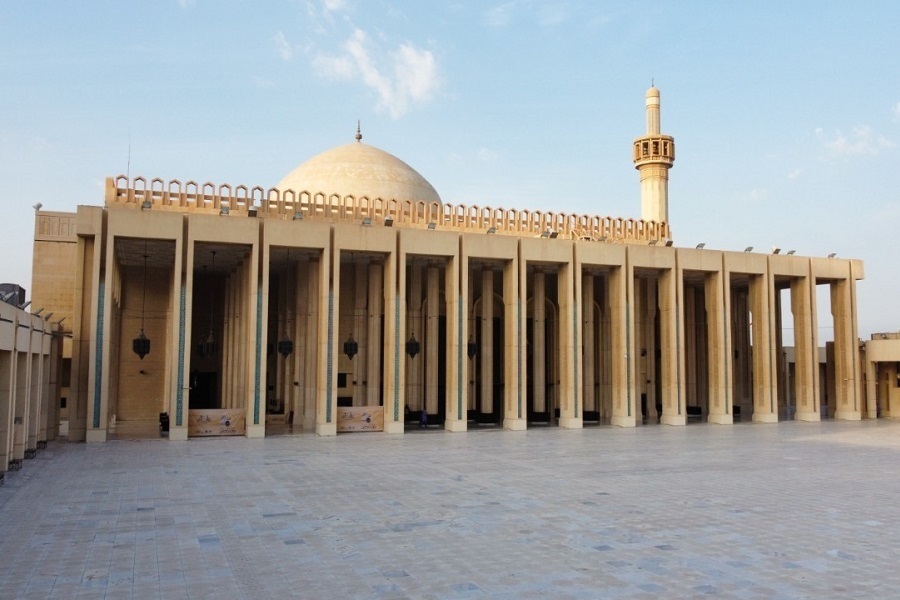
As one of the largest mosques in the world, it was designed by architect Mohammed Saleh Makiya with a combination of Andalusian and oriental styles, in accordance with the heritage of traditional Islamic architecture, which has signs of Arabic architecture throughout its walls.
Construction of this mosque began in 1979 with the participation of 50 engineers and more than 400 workers, at a cost of approximately $ 45 million.
The mosque was opened in 1987 and has since become a place of worship that attracts a large number of male and female worshippers. Its total area can accommodate more than 60,000 worshipers.
A mix of Andalusian and oriental architecture
According to Ali Shaddad, director of the Kuwait Grand Mosque, the area of the mosque is about 45,000 square meters.

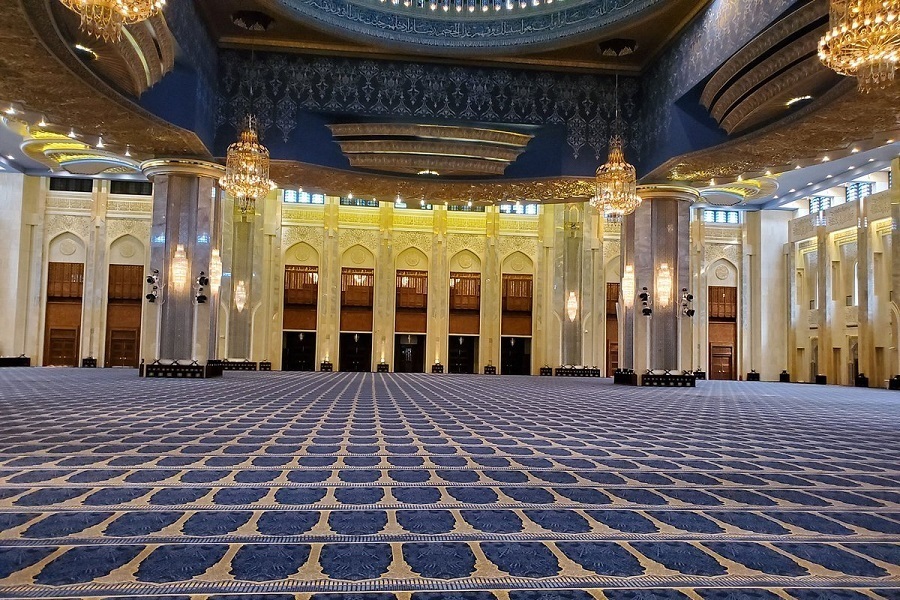
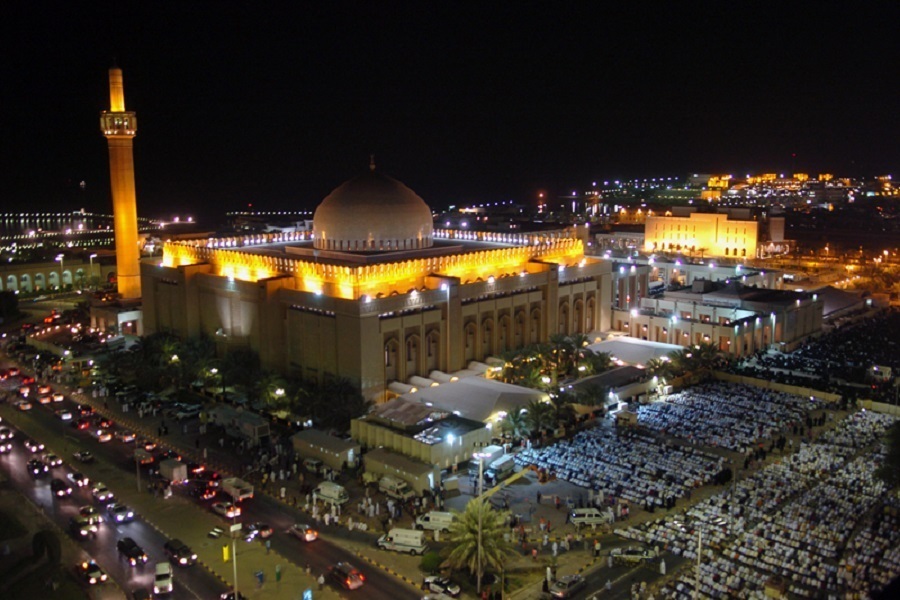
The main prayer hall can accommodate 10,000 worshipers, and its capacity with its courtyards and other porches reaches about 60,000 people, while this number reaches about 150,000 worshipers during Ramadan, especially on the Nights of Qadr, he noted.
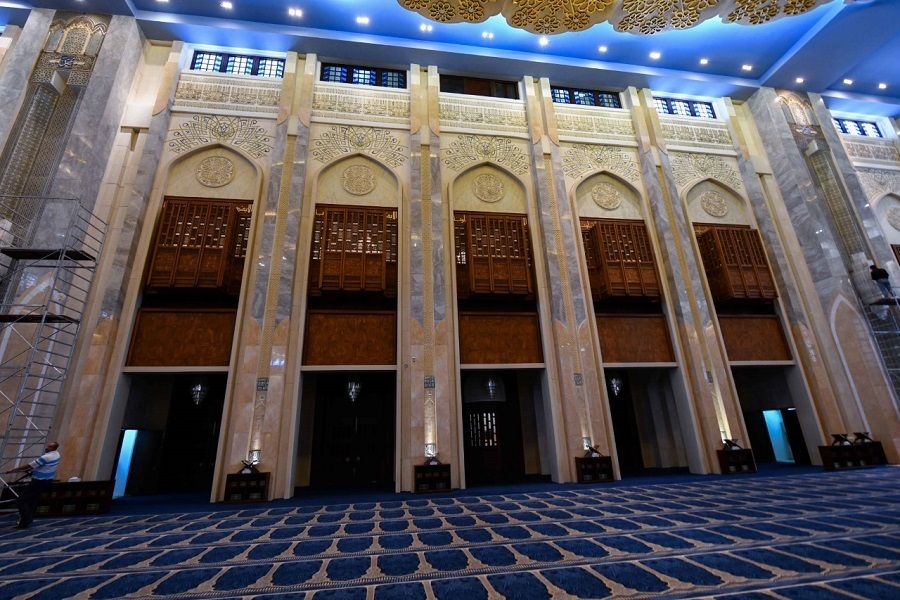
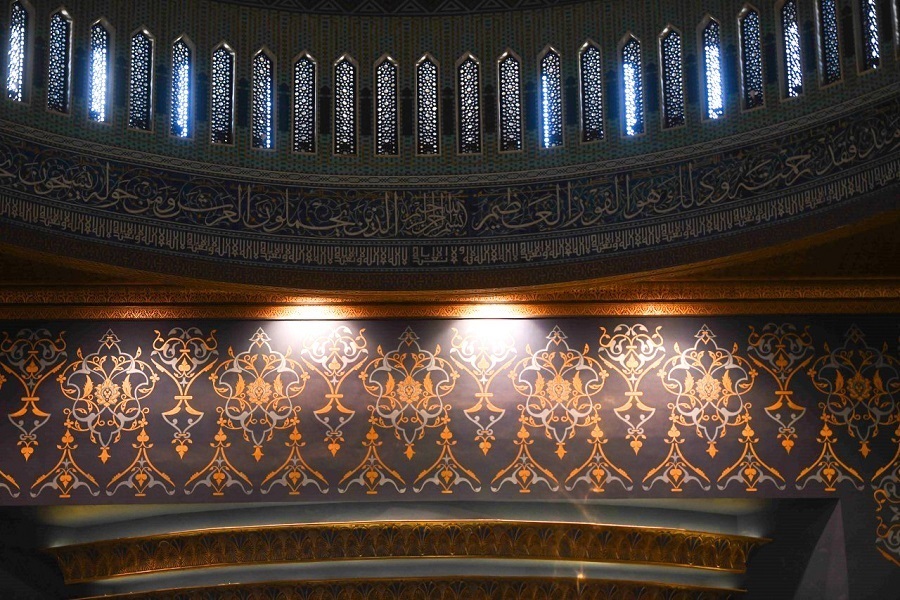
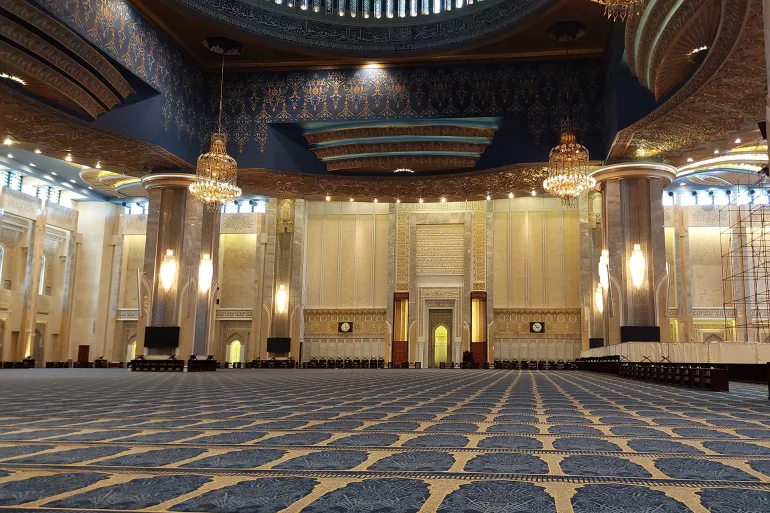
He said the decorations and paintings carved on the walls were handmade and a lot of effort was put into them.
Read More:
According to Shaddad, the mosque is located in the northeast of Kuwait City and its built area is 24,000 square meters, while the rest of the space is dedicated to the construction of water fountains and the planting of palm trees and other plants that decorate its corridors.
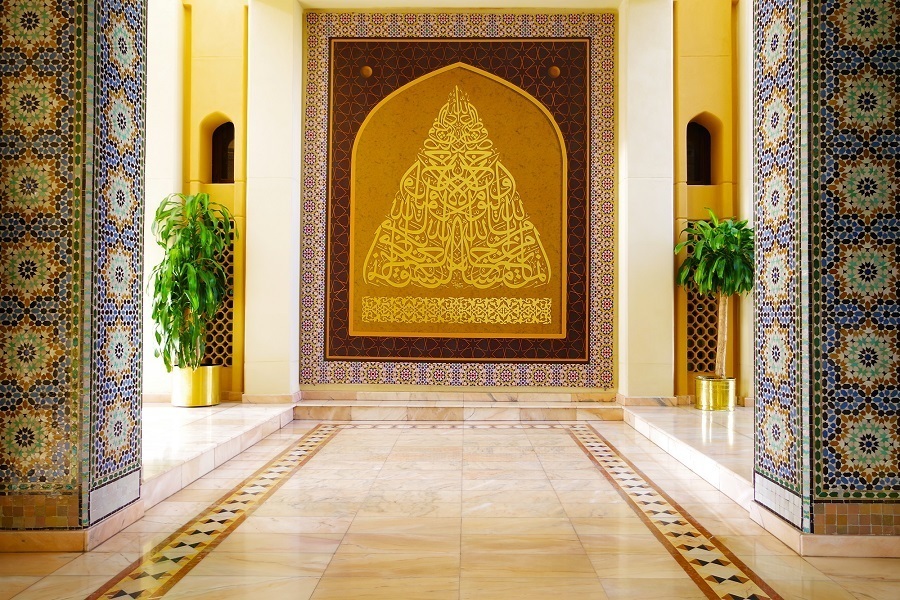
As for the structure of the mosque, he said its foundations, columns, roofs and minaret are made of concrete. “The exterior of the mosque was covered with natural stone, while the interior is covered with marble, ceramics and plaster, in addition to being decorated with geometric shapes that represent traditional and modern Islamic schools of architecture.”
A hub of education and research
The Kuwait Grand Mosque is not only an architectural masterpiece and an outstanding place of worship, but also a well-known educational hub, as it contains a large library that houses hundreds of Islamic reference books and helps researchers in their work. In addition, it has a hall for holding seminars, lectures and cultural and educational programs.
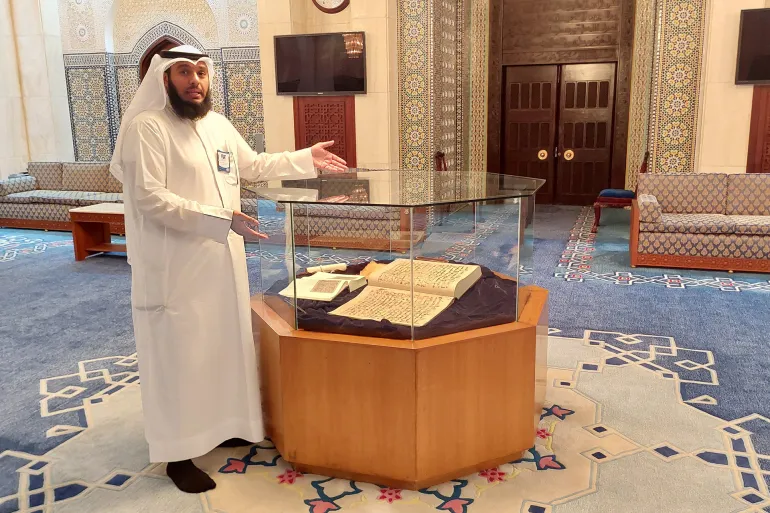
This mosque actually houses two huge libraries, the first of which is dedicated to experts and researchers and the Ottoman Quran is on display in this library.
The second library is also a global library and includes books in non-Arabic languages and is dedicated to non-Muslims and non-Arabic speakers.





4323172
