


Manifestation of Ramadan’s Splendor at Islamic Centre of England
IQNA – This year (2026), just as in previous years, the Islamic Centre of England is welcoming hundreds of fasting believers of various nationalities residing in London.
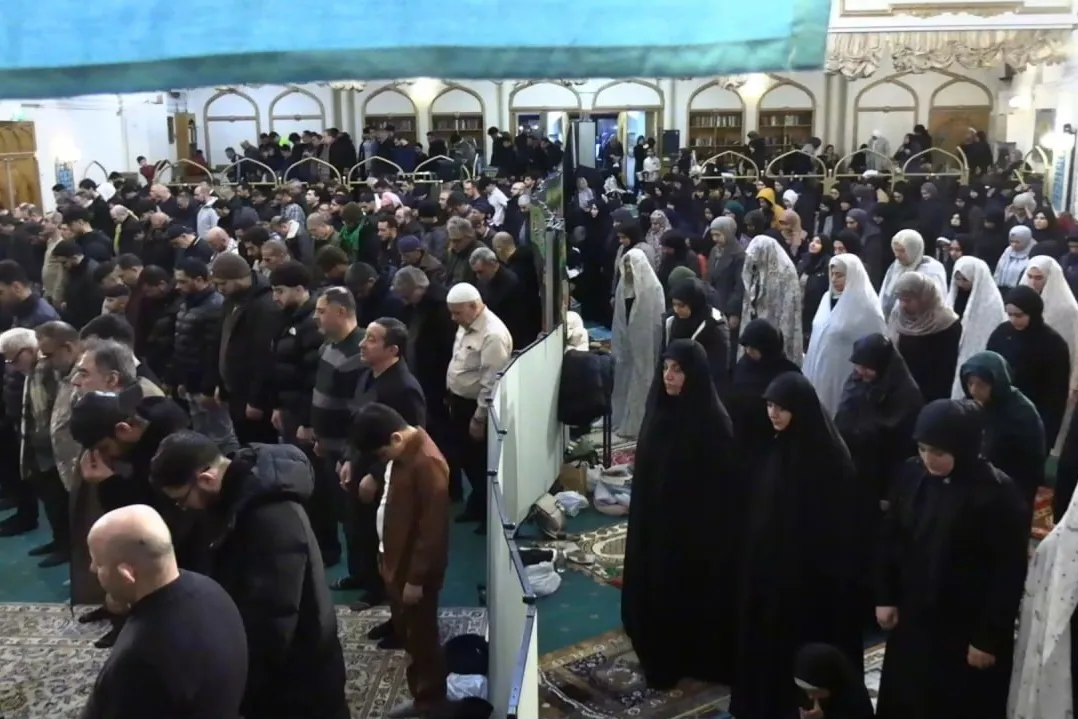
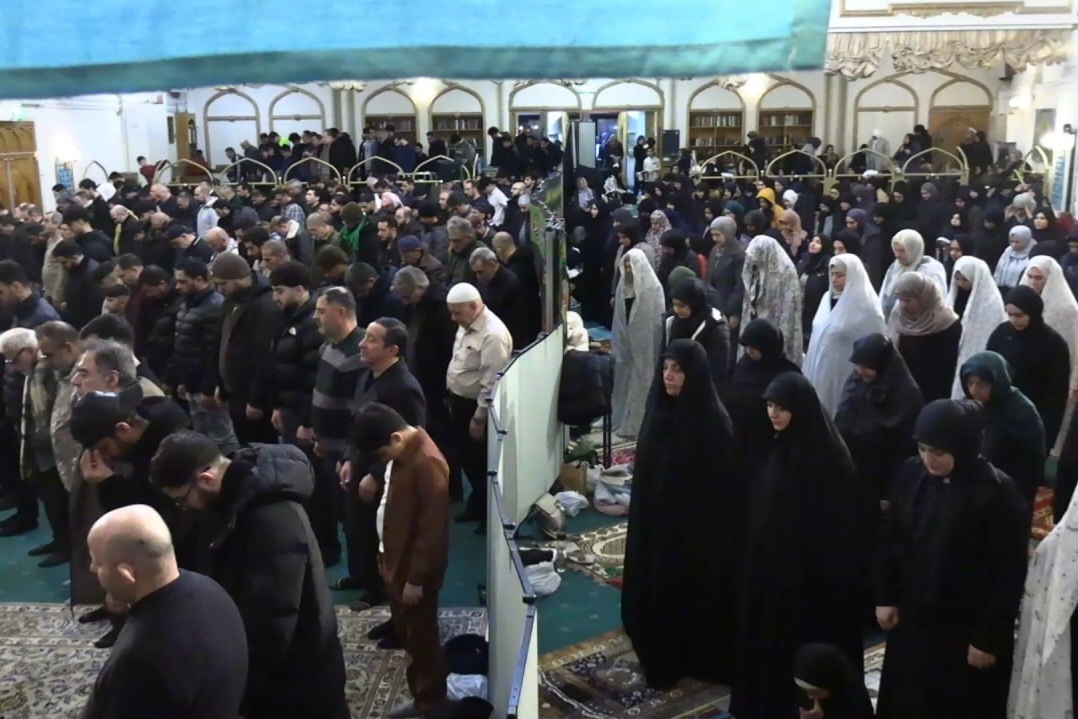
They gather in the Centre each day during the blessed month of Ramadan to seek spiritual grace and to embody through fasting the essence of devotion, self‑purification, and unity.
Daily programs at the Centre include lectures in Arabic, English, and Persian (held separately in three sessions), Quranic sessions, majestic congregational prayers, Iftar banquets, participation of the faithful in charitable acts and offerings, and the grand observance of the Nights of Qadr (Laylat al‑Qadr)—all forming part of the Centre’s rich cultural and religious activities during this holy month.
Hojjat-ol‑Islam Seyed Hashem Mousavi, the Imam of the Islamic Centre of England, in one of his bilingual (Persian and English) address, elaborated on the virtues of meeting with God in this blessed month, stating:
“That Ramadan is the best month for meeting with God has deep roots in the teachings of the Quran and Ahl-ul‑Bayt (AS), for this month is the month of the Quran’s revelation, the month of divine hospitality, and a time of being in the presence of the Divine Host. Fasting is a training in awareness of God’s presence; the Night of Qadr is the most concentrated moment of encounter; and the time of Iftar is the joy of that meeting with Him.”
He added that, according to the Quran and Prophetic traditions, several “clear paths” lead to meeting the Creator—among them faith and righteous deeds and martyrdom in the way of God.
Referring to verse 110 of Surah Al‑Kahf, he explained that the Quran identifies two essential conditions for such a meeting: righteous action and Ikhlas (sincerity in intention)—that is, avoiding any trace of polytheism.
Hojat-ol-Islam Mousavi divided the degrees and signs of liqa’ Allah (meeting with God) in a believer’s life into two categories—those belonging to the pious and those to the heedless. He explained:
“Some approach this encounter in heedlessness, and thus it becomes a meeting with divine wrath; others go toward it with awareness and longing, and for them it is a meeting of mercy. The nature of that encounter depends entirely on one’s provisions and vision during worldly life.”
He cited a luminous example of such encounter in the words of Imam Ali (AS) on the 19th night of Ramadan, when he was fatally struck by Ibn Muljam.
“The first words of the Commander of the Faithful after being struck were: ‘By the Lord of the Ka‘bah, I have (achieved salvation)!’ These words are extraordinary—for one freshly wounded would ordinarily speak of pain or of his enemy, yet Imam Ali (AS) spoke of salvation. For him, martyrdom was not the end of life, but the beginning of meeting the Beloved.”
Read More:
The Centre’s Ramadan programs begin approximately one hour before sunset (Maghrib) each day, followed by the congregational prayer led by Hojat-ol-Islam Mousavi, and continue with lectures in English and Arabic and gatherings of recitation and reflection upon the Quran.
4340131
