

Despair‑Inducing Narrative of War vs Process‑Oriented, Opportunity‑Creating Perspective
IQNA – The verses of the Holy Quran concerning the Battle of Uhud in Surah Al Imran aim to move Muslims from a fragmented, event‑based view of history to a processual understanding of divine laws — transforming a despair‑infusing narrative of war into a perspective that nurtures opportunity and hope.
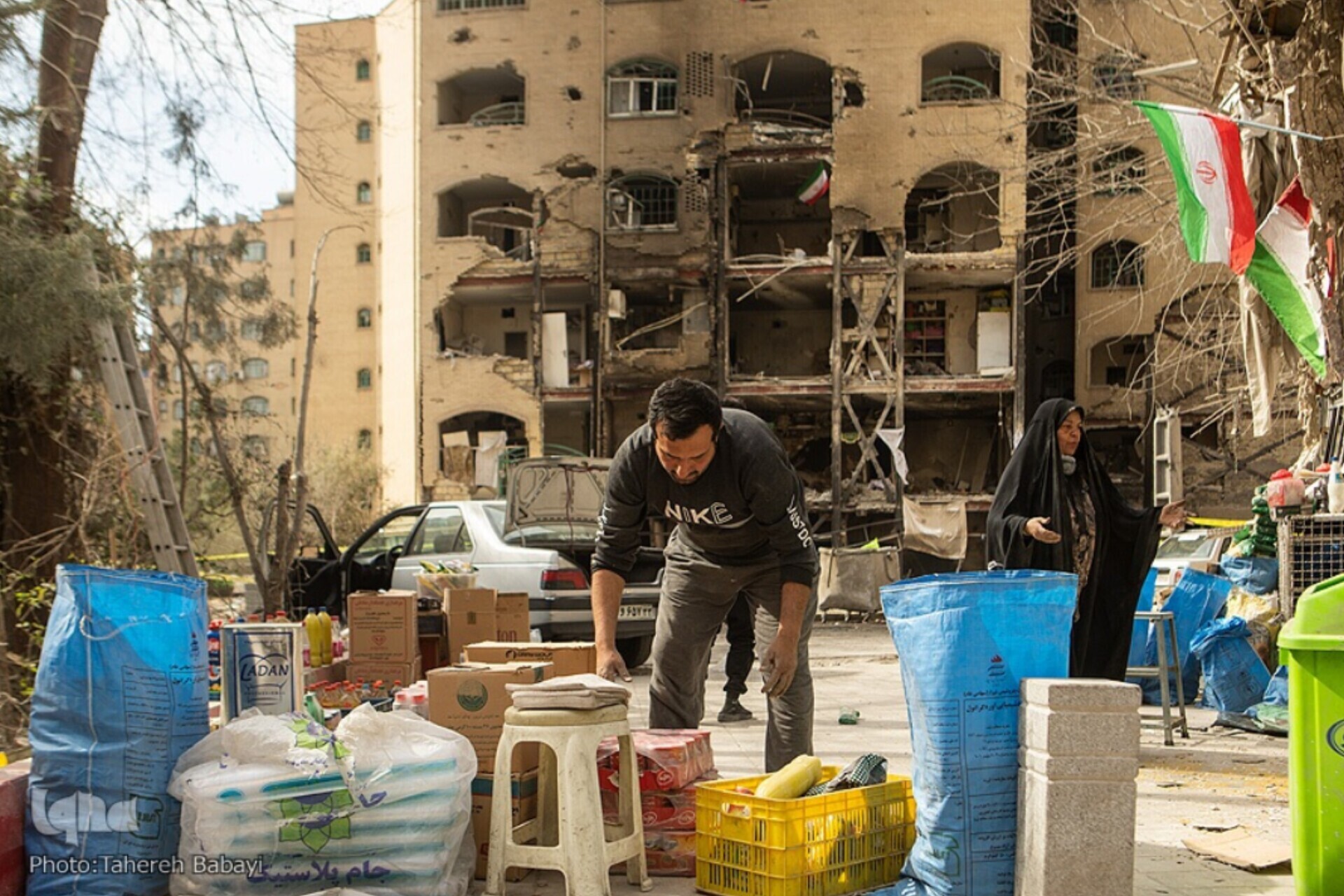
After the Battle of Uhud, almost every household in Medina bore marks of the wounded and the martyred. Nevertheless, Verse 137 of Surah Al Imran does not dwell on analyzing the battle’s events; rather, it seeks to instill an entire worldview. It begins:
“Before you, there were divine ways and laws. Travel through the earth and observe how the end was for those who denied the truth.”
Then it continues:
“Do not weaken or grieve, for you are the superior ones if you are truly faithful.”
That is, do not falter in obeying God’s command or in striving against the enemy; do not be saddened by hardships and adversities that befall you — for if you are believers, you are exalted.
Naturally, every battle entails worries, hardships, and difficulty. Therefore, the Quran adds:
“If wounds have touched you, similar wounds have touched the others (your enemies).”
This is like a runner who feels exhausted yet realizes that his rivals’ strength is also waning. A short‑term, instant view of time leads one either to despair or arrogance, as noted:
“And let not the deceiver beguile you concerning God.”
The corrective mechanism presented here is a call to shift from a momentary view to a process‑oriented vision. To perceive the divine way, one must broaden one’s scope. A process‑based viewpoint is no longer despair‑producing but rather hopeful and opportunity‑creating.
Read More:
The Quran further declares:
“These days We alternate among people.”
It means that God turns days of fortune and misfortune among humankind. The circulation of ease and hardship among people is a divine law — sometimes reflected in the inner struggle between faith and Satan within a society, and sometimes manifesting across the global order, even over the span of centuries.
