


‘What Does It Have to Do with Me?’ Mentality Marks A Diseased Heart, Quranic Scholar Warns
IQNA – A prominent Iranian Quranic scholar argues that social apathy and the "not my problem" mindset are primary indicators of a spiritually diseased heart, fundamentally hindering the development of an Islamic society.
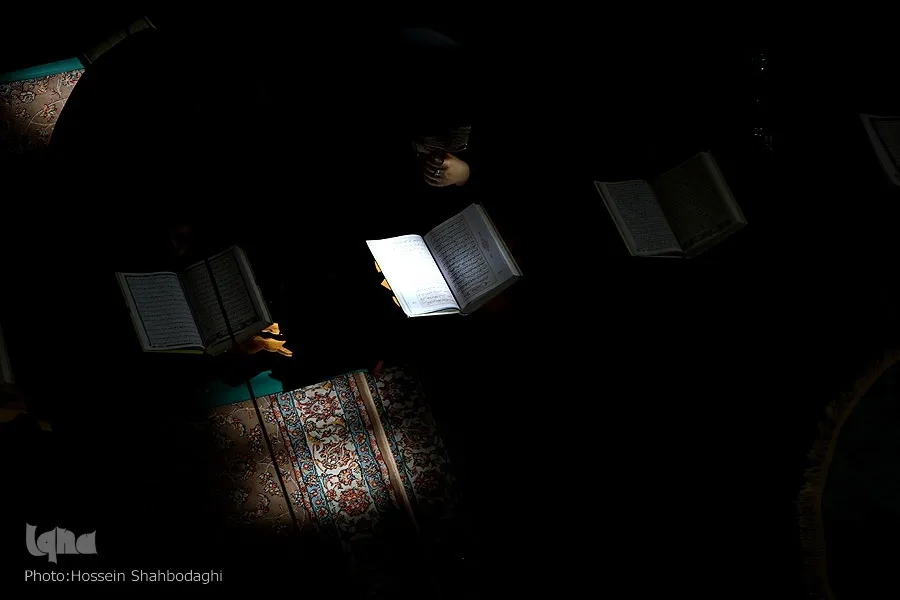
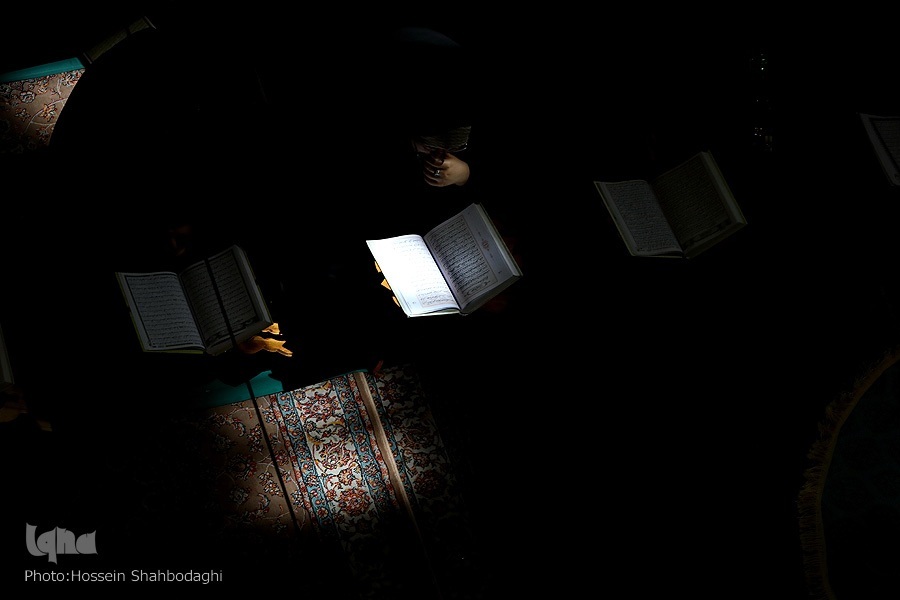
During a recent exegesis session on Surah Al-Baqarah, Abdul Karim Behjatpour offered a fresh perspective on Verses 18 and 19, addressing the concept of civic and social duty.
He focused on the Quranic description of certain individuals as "deaf, dumb, and blind," identifying absolute societal neutrality as a severe spiritual flaw.
Behjatpour explained that individuals who remain indifferent to social issues, crises, or systemic injustices embody this Quranic metaphor. "If a segment of society has nothing to do with social issues... and says, 'what does it have to do with me?', they are the manifestation of being deaf, dumb, and blind," he stated.
He added that such people physically exist within society but function much like an inanimate cup, devoid of feeling or constructive purpose.
According to the scholar, while some societal actors have an actively negative impact, others maintain a purely passive existence. He emphasized that the Quran diagnoses this passive, apathetic group with three distinct spiritual ailments that paralyze their ability to contribute.
The first ailment is spiritual blindness. Behjatpour noted that those whose inner eyes are closed to the truth cannot be guided.
Quoting Surah Yunus (Verse 43), he highlighted: " There are some of them who observe you. But can you guide the blind even if they do not perceive?" Because they lack vision and cannot read the signs of guidance, he argued, such individuals should never hold the reins of leadership or administration.
Read More:
The second and third ailments—being deaf and dumb—relate directly to an unwillingness to engage in the social contract. Behjatpour noted that a positive element in an Islamic society cannot turn a deaf ear to collective challenges just to live comfortably in isolation.
He criticized those who eagerly utilize a nation's resources and opportunities but refuse to "pay the toll" of social responsibility.
This responsibility, he stressed, requires an active voice. "Fundamentally, the tongue is meant for playing a positive role," Behjatpour said.
He explained that a spiritually "mute" person is one who sees charitable work neglected or justice denied, yet takes no steps to advocate for righteousness or combat social deviation.
Ultimately, Behjatpour framed Surah Al-Baqarah as a blueprint for society-building, an endeavor spearheaded by the pious. He pointed out that the Surah actively identifies the "diseased-hearted" as the primary obstacles to this foundational goal.
God strictly condemns a neutral role, not merely a negative one, the scholar noted. Referring to the end of Verse 18, "so they will not come back," he warned that those who deliberately choose apathy rarely return to the right path, firmly embedding themselves in the spiritual darkness outlined by the Quran.
Translation by Mohammad Ali Haqshenas
4347070
