


Martyred Leader’s Funeral Reshaped Iran’s Image in World
IQNA – The magnificent funeral of martyred Leader of the Islamic Revolution that drew millions of mourners was not just a national ceremony, but also became a turning point in recreating Iran’s image in the international arena.
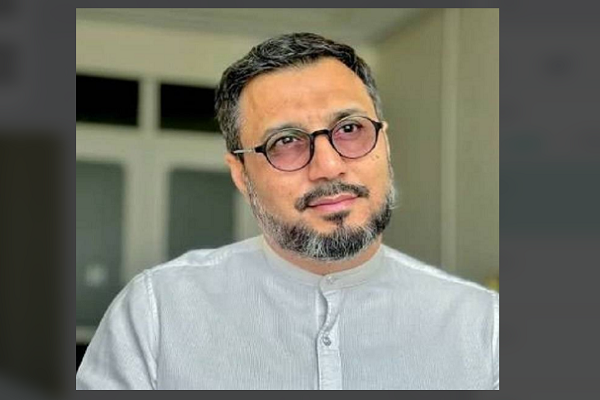
This is according to Yahya Jahangiri, an international researcher and activist, speaking in an interview with IQNA.
What has been shaped in the world's public opinion towards Iran today is, more than anything, the result of the presence of the people and a narrative that was transmitted to the world about the resistance, cohesion, and steadfastness of the Iranian nation, he stated.
Referring to the media and social dimensions of the magnificent funeral processions of the martyred Leader, he considered this event one of the most important image-making events in recent years, and said in today’s world, nations are known by the image that the media, narratives, and historical events have created of them before they are known by the realities on the ground.
Many people in the world have never seen a country up close, and their perception of that country is the product of this mental image, he stated.
“Even those who have the experience of being in a society sometimes revise their perceptions and assumptions when faced with major events." Jahangiri added.
He said some historical events can change the mental equations of public opinion. “Sometimes a victory, sometimes a defeat, and sometimes a historical event creates a completely new image of a nation in the minds of the world. From this perspective, the magnificent funeral of the martyred Leader should be considered one of the most important image-making events in recent years; an event that recreated a different and distinguished image of Iran in the international arena.
The large presence of the people, the collective emotions, the grandeur of the ceremony and its wide reflection, in itself became a global narrative, he stated.
Read More:
Jahangiri noted that in addition to the presence of the people, the role of media activists, cultural and artistic activists, content producers and all those who conveyed this image to the world was also very decisive, and they played an important role in establishing this narrative in the memory of the world’s public opinion.
Referring to his experience abroad, Jahangiri said, “I have been outside Iran since January and I saw the atmosphere of those days in Iran from the outside full of questions and ambiguities, but the outbreak of the Third Imposed War fundamentally changed the atmosphere of public opinion.”
After the martyrdom of the Leader and the extensive efforts that were made to narrate this war, “I believe that the Islamic Republic of Iran gained the upper hand in the arena of the ‘war of narratives’,” he went on to say.
Stating that not much time has passed since the magnificent funeral of the martyred Leader, the researcher emphasized, “Not only from the perspective of an analyst, but also as a field witness, I can speak of facts that indicate a significant change in the world's public opinion towards Iran.”
Highlighting his field observations of the changing attitudes of people in different countries towards Iran, Jahangiri said, “Today, whenever I enter a market, store or a gathering of ordinary people, as soon as they realize that I am Iranian, I am at least greeted with a ‘like’ sign and an expression of respect. This behavior may seem simple on the surface, but from a social perspective it has a deep meaning and shows that Iran has become a ‘brand’ in the minds of many people.”
4363086
