


Iran Slams Extension of Sheikh Salman Jail Term
TEHRAN (IQNA) – Iranian Foreign Ministry Spokesman Hossein Jaberi Ansari deplored the Al Khalifa regime for extending the jail term of prominent Shia cleric Sheikh Ali Salman.
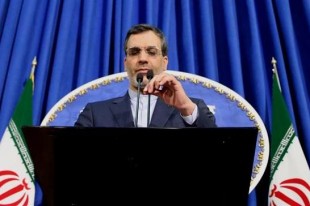
Such measures against moderate political leaders will never help solve the current issues in Bahrain, Jaberi Ansari said on Tuesday.
He stressed that such moves would complicate Bahrain’s problems and would "ultimately serve extremists.”
Sheikh Salman, who is the secretary general of the country’s main opposition party, al-Wefaq, was originally sentenced on June 16, 2015 to four years in prison after a trial which Amnesty International described as "unfair."
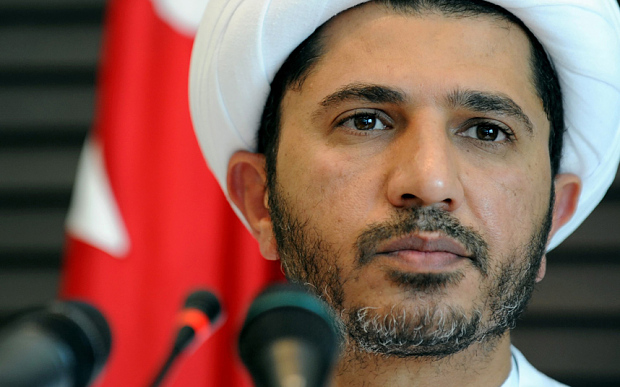
The Bahrain tribunal charged him with "publicly insulting the Interior Ministry” and "publicly inciting others to disobey the law” in his speeches.
His appeal had been pending for eight months but the Supreme Court of Appeal increased Salman’s prison sentence on charges of inciting violence and calling for anti-regime demonstrations to nine years from the original four.
The al-Wefaq opposition group, headed by Salman, denounced the court ruling as "unacceptable and provocative,” saying it "entrenches the exacerbating political crisis” in Bahrain.
Al-Wefaq was Bahrain's largest parliamentary bloc until its 18 MPs walked out in February 2011 to protest violence used against demonstrators.
Amnesty International also on Tuesday lambasted Bahrain's decision to uphold the conviction of Sheikh Salman, saying, "Sheikh Ali Salman’s conviction is clearly politically motivated and is designed to send a message to others that even legitimate and peaceful demands for reform will not go unpunished."
In recent years, Bahrain has tightened its grip on freedom of expression with multiple arrests and harassment of opposition politicians and activists.
Bahrain, a close ally of the US in the Persian Gulf region, has been witnessing almost daily protests against the ruling Al Khalifa dynasty since mid-February 2011.
The tiny sheikhdom's heavy-handed crackdown on demonstrations with the help of Saudi Arabia has left scores of people dead and hundreds injured.
