


Iran’s Quran Publication Center Turns to AI in Quran Printing, Design
IQNA – The Center for Printing and Publication of the Holy Quran of the Islamic Republic of Iran is developing artificial intelligence technologies to produce personalized digital Qurans, marking a new phase in merging sacred tradition with modern innovation
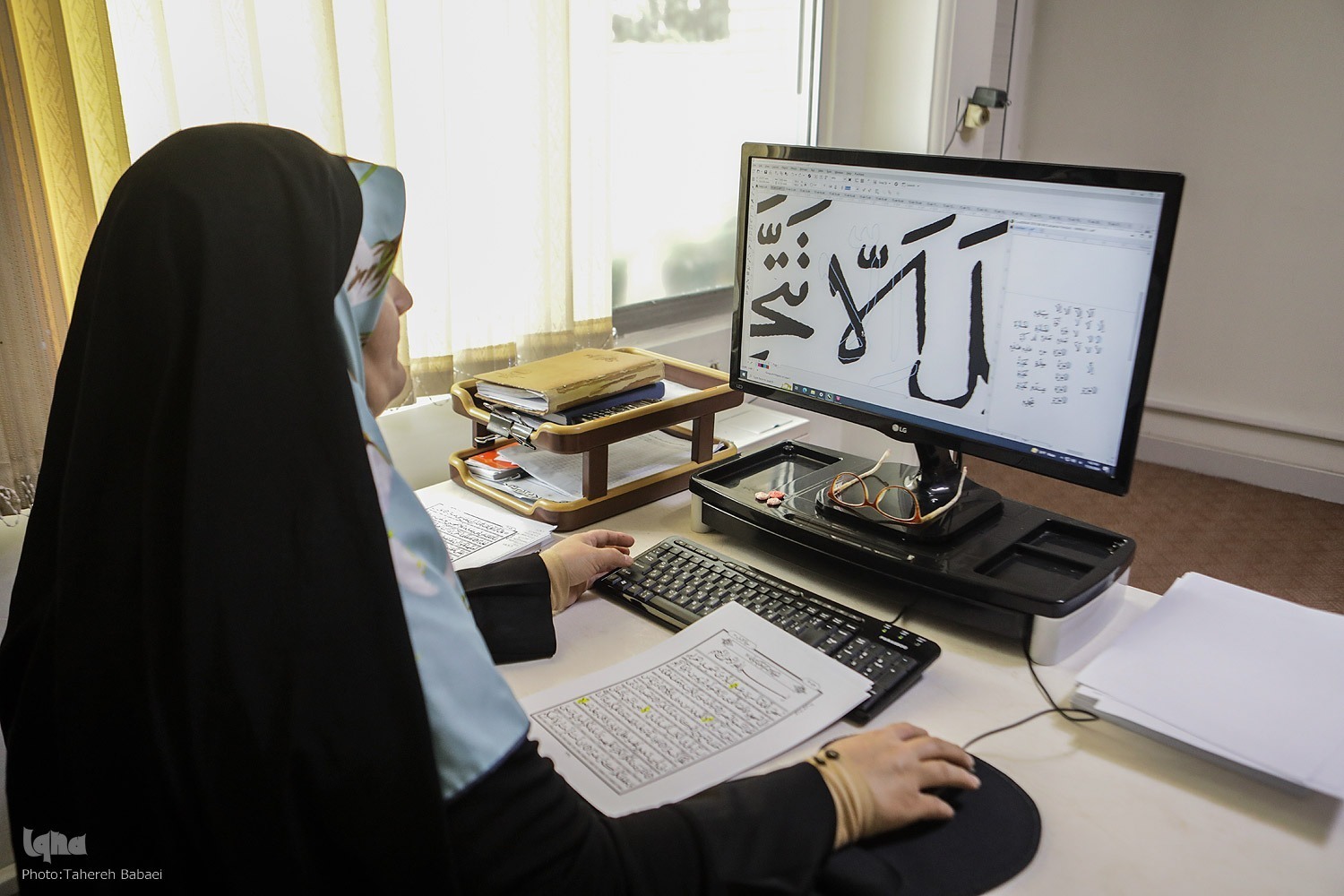
Established in 1994 under the directive of the Islamic Revolution Leader, the Center for Printing and Publication of the Holy Quran serves as the country’s official authority on Quran printing. Over nearly three decades, it has combined classical calligraphy with digital technology to advance Quran printing, research, and preservation.
Speaking to IQNA, Hadi Ebadi, Director of Information Technology and Media at the center, said that the use of artificial intelligence aims to make Quran publishing more personalized and interactive.
“Our ultimate goal is to create AI-powered Qurans tailored to each reader — where users can select the script, page layout, color scheme, translation, and even style of recitation,” he explained.
Read More:
Ebadi noted that preliminary studies on this project have already begun in collaboration with knowledge-based companies.
“This technology must understand Quranic orthography, choose accurate diacritics, and adapt to different narrations,” he said, adding that a prototype could be unveiled in the coming years.
The center’s innovative work began in the early 2000s with the world’s first intelligent Quranic font.
Designed between 2003 and 2004, the font automatically adjusted letters, applied scientific rules for diacritics, and replicated the precision of traditional Quranic calligraphy. “It acted like a virtual calligrapher,” Ebadi said. The technology significantly reduced printing time and allowed flexibility in producing Qurans of various sizes and educational purposes.
Read More:
In addition to print innovations, the center runs the digital project “On the Shores of Verses,” which presents Quranic verses daily with recitations, translations, and related narrations.
Ebadi described it as “a bridge between scholarship and the public,” aimed at deepening reflection on the Quran and showcasing centuries of Islamic manuscript heritage.
4314220
