


‘Mahfel’ Turns Quran into A Foundation for Cultural Initiatives across Iran
IQNA – A host of the Iranian Quranic TV show “Mahfel” emphasized that this television show has managed to move the Quran beyond a merely recitation or reward‑oriented perspective, bringing it into the realm of social and human engagement.
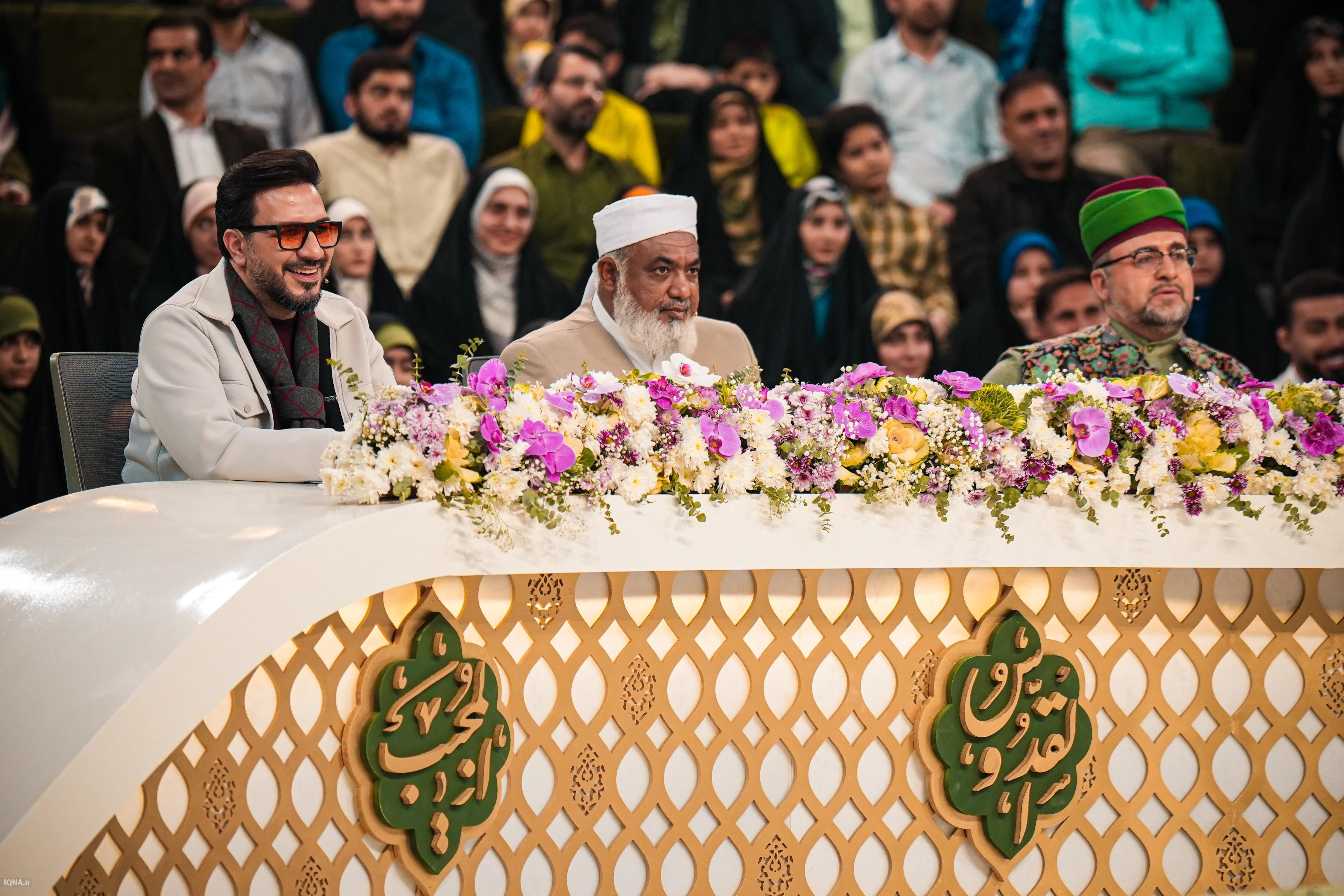
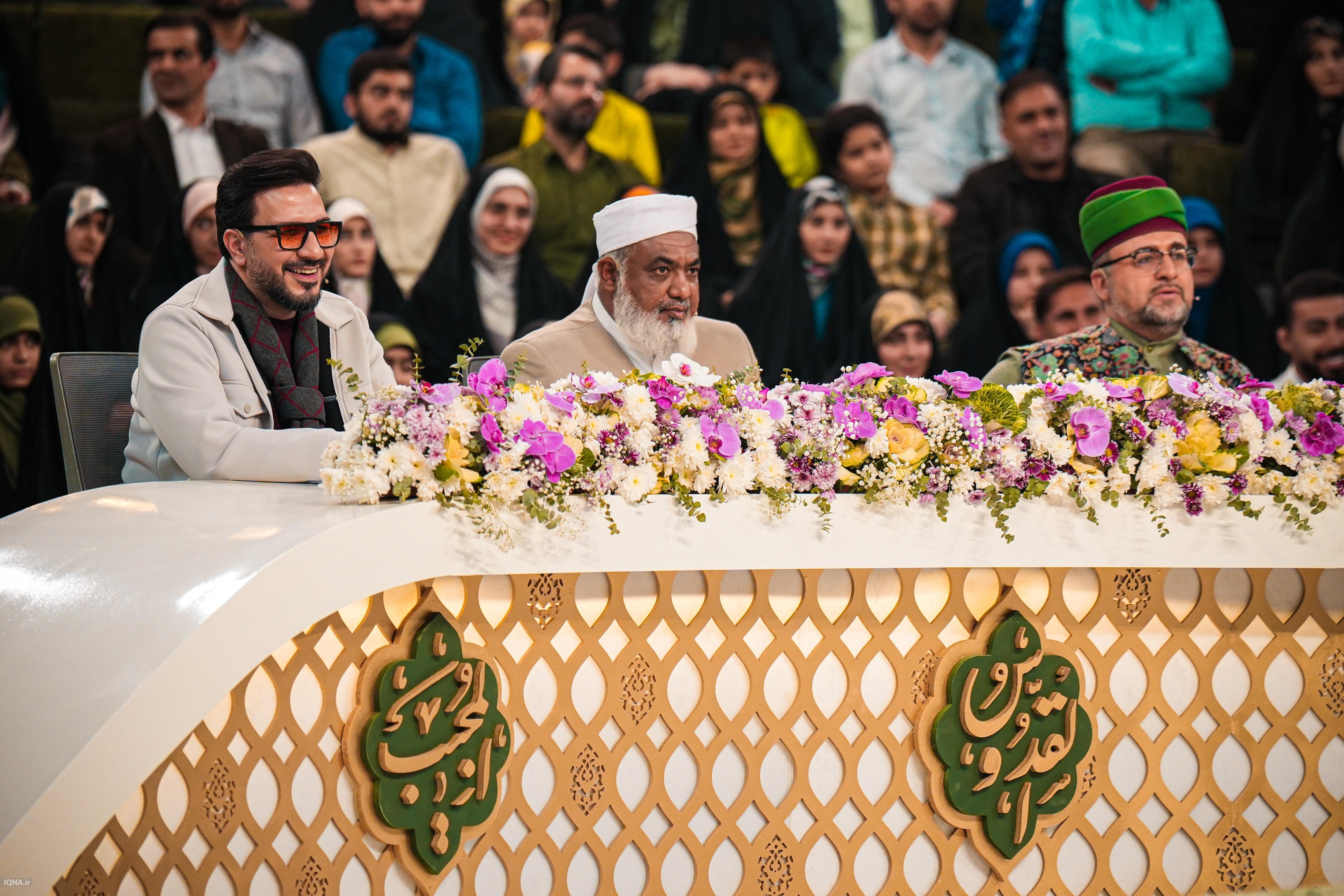
Hamed Shakernajad told IQNA in an interview that Mahfel has turned the Quran into a foundation for cultural initiatives across the country and has helped introduce the younger generation to the beauty of the Divine Word in their own language.
Known for showcasing Quranic recitations and promoting Islamic teachings, the Mahfel TV Show is a well-regarded Iranian television series appreciated by audiences worldwide.
It is broadcast on IRIB’s TV 3 channel just before sunset every day during the holy month of Ramadan, offering a spiritual oasis for viewers as they prepare to break their fast.
With a primary focus on the Quran, the program aims to enrich the brief moments of respite for fasting individuals through insightful discussions and captivating recitations.
Shakernajad, an internationally recognized Quran reciter and a leading figure in the Mahfel program, spoke to IQNA about the transformation of people’s outlook on the Quran, the program’s social impact, the need for practical engagement with the Quran, and the responsibility of today’s generation to nurture Quranic youth.
Following are excerpts from the interview:
IQNA: Mr. Shakernajad, how would you describe the atmosphere of the fourth season of Mahfel?
Shakernejad: Greetings to all viewers and readers of IQNA. The fourth season of Mahfel, like its previous seasons, has a very vibrant and Quran‑filled spirit. In this program, we have tried to convey the joy of being with the Quran to our audience. Each new season reflects society’s growing connection with the Quran.
Read More:
IQNA: Some believe Mahfel is more than a TV show — it has become a cultural movement. What is your view?
Shakernejad: Exactly. Thank God, through Mahfel a major capacity has been created. Previously, Quranic activities took place in small, scattered cultural groups. But today, after Mahfel, the Quran has become the basis for many cultural movements. This is a significant change — in the past, the Quran accompanied other programs; now it lies at the core of them.
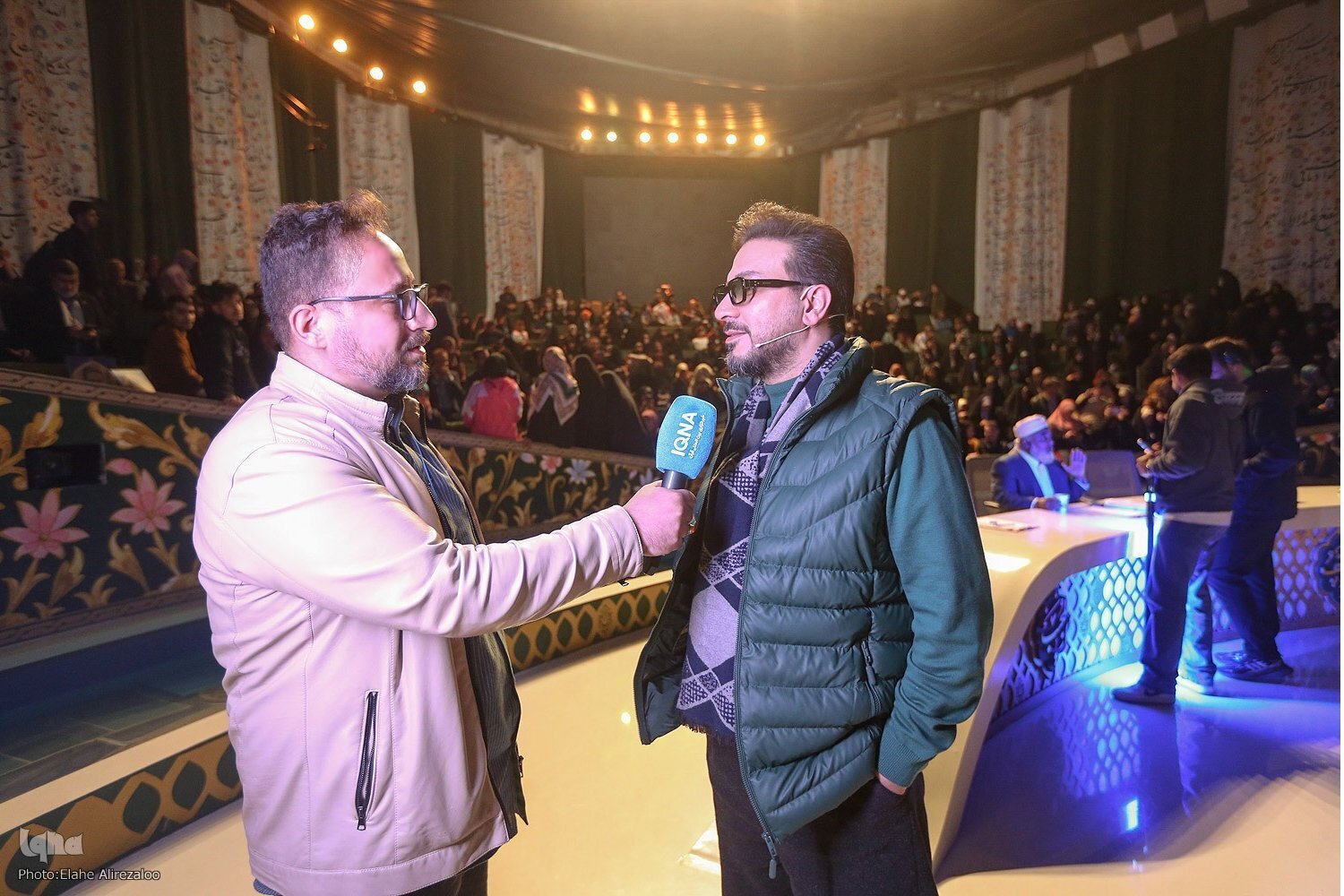
IQNA: You’ve often said the Quran must be brought into daily life, and not be limited to recitation and reward. What do you mean by that?
Shakernejad: For years we’ve talked about the Quran, but the real question is: if it builds humans, why doesn’t it have a tangible effect in our lives? The answer is simple — we don’t truly present ourselves to the Quran. Unfortunately, even within cultural leadership, a repetitive cycle exists: people say “if we do this, that will happen,” but no one acts. Progress doesn’t come from “ifs”; it comes from movement and action.
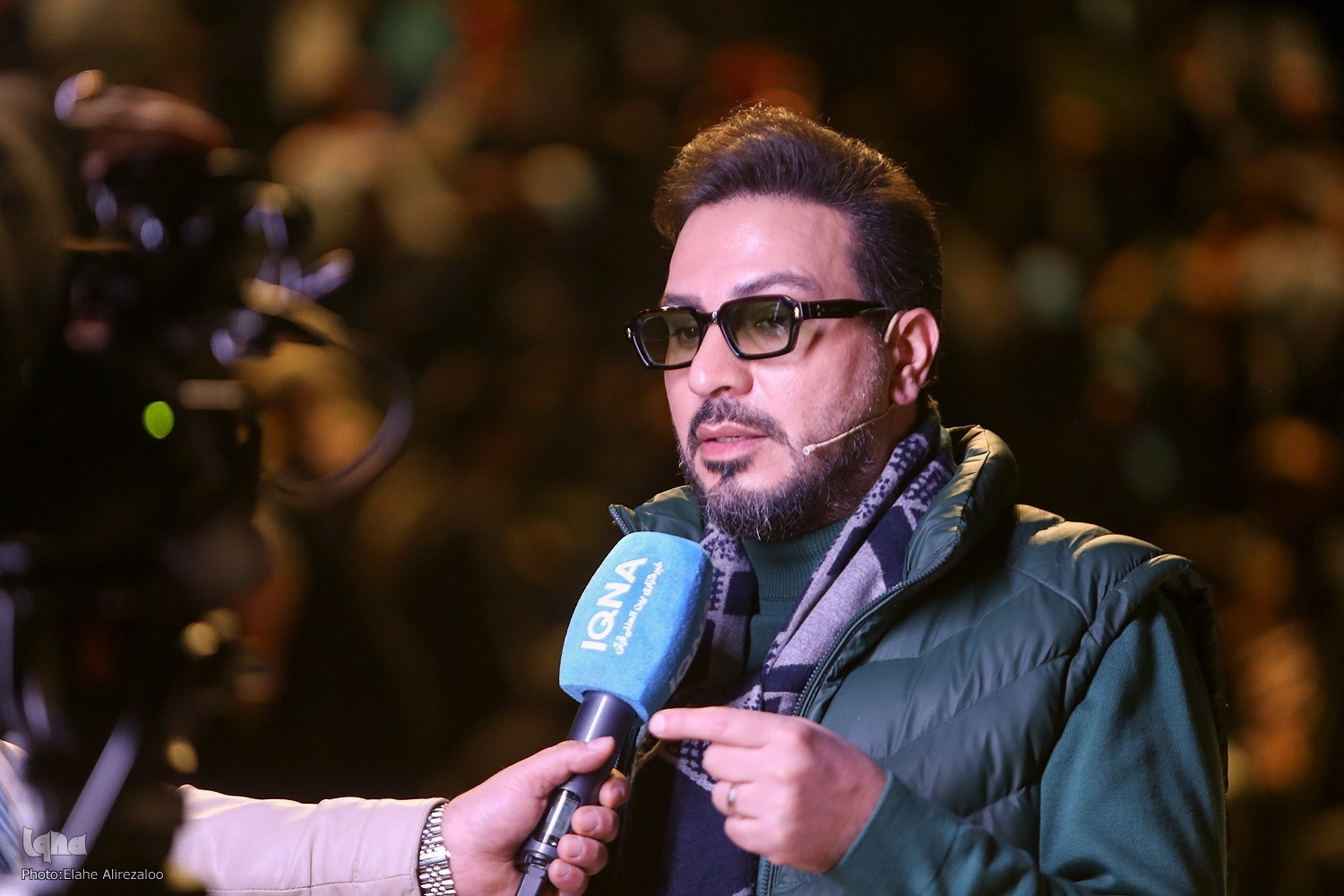
The Quran is a human‑building book, a healing script for the soul, a guide (leading us away from) from misguidance. If we truly believe this, change must begin within ourselves — letting the Quran flow through our decisions, relationships, and everyday conduct.
Read More:
IQNA: Some critics claim that Mahfel’s joyful tone contradicts the seriousness of Quranic topics. What’s your response?
Shakernejad: The Quran itself is filled with joy, hope, and beauty. Quranic programs don’t have to be formal and solemn all the time. We must transmit the positive, spiritual joy of the Quran to people. This joy is not mere entertainment; it is born of spiritual vitality. When a teenager listens with a smile and eagerness, or takes part enthusiastically in a Quranic activity — that alone means the Quran has begun to take root in his or her heart.
4340842
