


Eid al-Adha: From Abrahamic Tradition to Muslims’ Rituals Today
IQNA – Eid al-Adha, one of the greatest Islamic holidays, is a reminder of a historical story of faith, submission, and sacrifice, where Prophet Abraham (AS) became a symbol of servitude and obedience in a divine test.
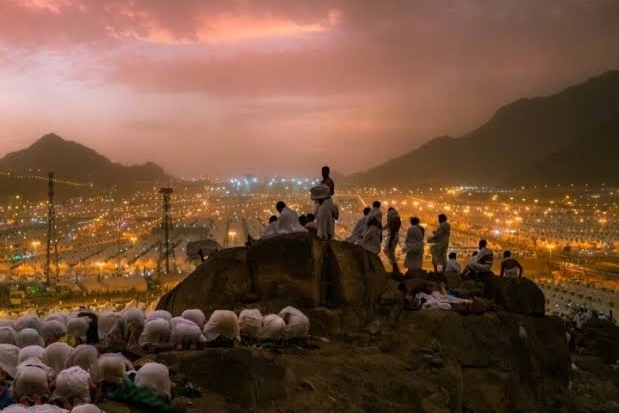
This event is celebrated to this day in the rituals of Hajj and in Muslim culture as a holiday full of spirituality and social solidarity.
The rituals of Hajj in Islam are a set of acts of worship and symbolic acts, each of which has a deep historical root and meaning. Among these rituals, Mina and Qurbani (animal sacrifice) hold a special place. Mina is not only one of the main stations of Hajj, but in Islamic tradition it is known as the place where some of the most important acts are performed after Wuquf (staying) at Arafat.
Qurbani is also one of the most prominent rituals of Hajj, which is a reminder of the story of Prophet Abraham (AS) and Ismael (AS) and the concept of submission to the divine command. Examining the history of Mina and the sacrifice introduces us to the connection between ancient Arab traditions, the evolution of rituals after Islam, and the religious and social meaning of this practice.
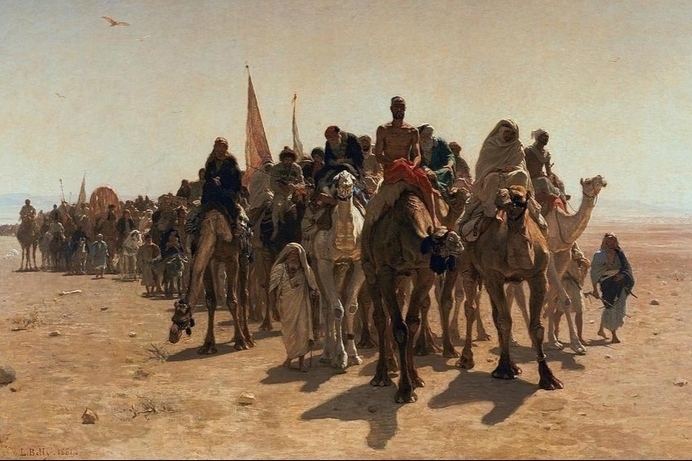
Mina in the history of Arabia
Mina is a region near Mecca that has long been of interest during the Hajj season. During the pre-Islamic period, Arabs came to the areas around Mecca to perform certain seasonal rituals, and Mina was one of these well-known stations. However, during that period, Arab religious practices were mixed with tribal beliefs, idolatry, and local traditions. Therefore, Mina did not necessarily have the single, established religious meaning it has today, but was recognized as part of the Meccan ritual geography.
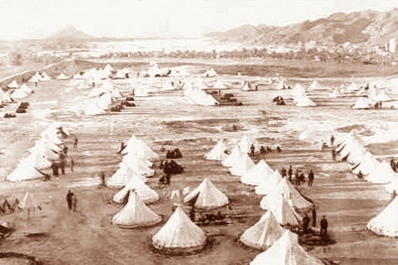
With the advent of Islam, Mina gained an official place in the new structure of the Hajj rituals. In Islamic texts, Mina was recognized as the place where the Jamarat were thrown, the pilgrims stayed during the days of Tashreeq, and the place of sacrifice. Hence, this area transformed from a seasonal and traditional space into a well-defined place in Islamic worship.
Sacrifice in pre-Islamic traditions
Before Islam, the slaughter and sacrifice of animals was a well-known thing among Arab tribes. These sacrifices were often performed to please idols, to fulfill vows and needs, and to fulfill tribal and seasonal rituals.
Read More:
But these practices did not have a uniform and monotheistic worship structure. The place of sacrifice could also vary depending on the tribe, temple, or specific ritual. From this perspective, Islam did not eliminate sacrifice, but rather changed its meaning and direction: sacrifice turned from a scattered and sometimes polytheistic ritual act into a monotheistic and systematic ritual.
Sacrifice in Islam and its connection with Prophet Abraham
In Islam, sacrifice has a place rooted in the story of Abraham (AS). According to the Quranic narrative, Abraham was commanded to sacrifice his son, but in the moment of testing, God accepted the sacrifice and transformed it into a great slaughter. This narrative is the spiritual basis of sacrifice in Hajj.
Therefore, sacrifice in Islam is not just the killing of an animal; it is a symbol of obedience to God’s command, liberation from sensual attachments, self-sacrifice and submission, social solidarity and attention to the needy. In Islamic law, the meat of the sacrifice is also usually divided between the owner of the sacrifice, relatives, and the needy, which highlights the social dimension of the ritual.
The place of Mina in the rituals of Hajj after Islam
After performing the Wukuf in Arafat and Mash’ar, the pilgrims go to Mina. There, the stoning of the Jamarat is performed, the sacrifice is made, and the pilgrims spend part of the days of Tashreeq there.
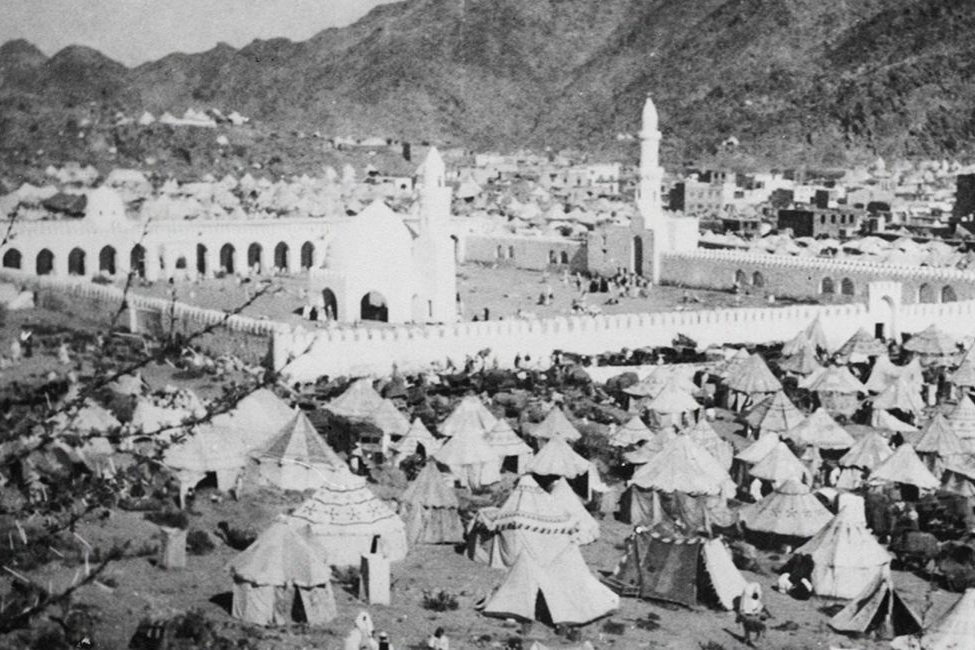
Throughout the history of Islam, this region has always been one of the most important points of the Hajj. As the Muslim population expanded, the form of performing the sacrifice has undergone practical changes, but its principle has been preserved.
Read More:
In modern times, the slaughter of the sacrifice is carried out in an organized manner and in specific slaughterhouses around Mina or within sanitary and administrative frameworks, in order to maintain the order of the ceremony and prevent health problems.
Historical and social dimension of the sacrificial obligation
In addition to the religious dimension, the sacrifice in the Hajj also has a historical and social dimension. In ancient Arab society, the slaughter of animals was a sign of hospitality, tribal power, and sometimes a religious vow. Islam took this tradition in a new direction, linking it with social justice and remembrance of God.
From this perspective, the sacrifice in Mina is a sign of loyalty to the Abrahamic tradition, a reminder of the transition from polytheism to monotheism, and a means of collective participation in worship and feeding the needy.
Eid al-Adha, which is celebrated every year on the 10th of Dhul Hajjah, is rooted in a narrative that is recognized in divine religions as one of the most important scenes of faith testing. It commemorates the readiness of Prophet Abraham (AS) to carry out the divine command and his ultimate submission to God; a narrative that ultimately became an enduring symbol of mercy and obedience with the substitution of a sacrifice by God.
Sacrificing an animal is one of the important rituals that pilgrims perform during the Hajj. Sacrificing refers to the process of slaughtering the designated sacrificial animals, which usually include animals such as sheep, cows, and goats.
Sacrificing an animal is usually performed during Eid al-Adha and is part of the Hajj rituals. Sacrificing is considered an expression of devotion and obedience to God, as the pilgrim offers the animal as a vow or as an expression of gratitude and appreciation to God.
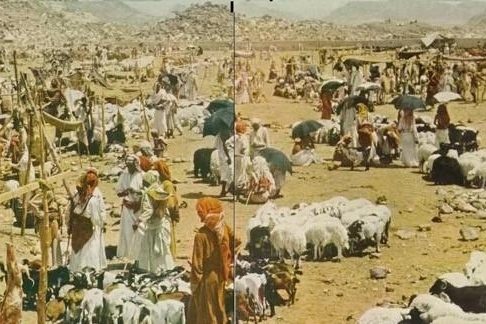
After the sacrificial animal is slaughtered, its meat is distributed among the poor, the needy, relatives and friends and is shared among the pilgrims. This practice is considered an act of charity and social solidarity during the Hajj season.
Read More:
In Islamic teachings, Eid al-Adha coincides with the peak of the Hajj rituals in Mecca and is considered a special day for Muslims around the world to draw closer to God, help those in need, and strengthen social bonds. Sacrificing animals, Eid prayers, family visits, and caring for the disadvantaged are some of the most important manifestations of this day.
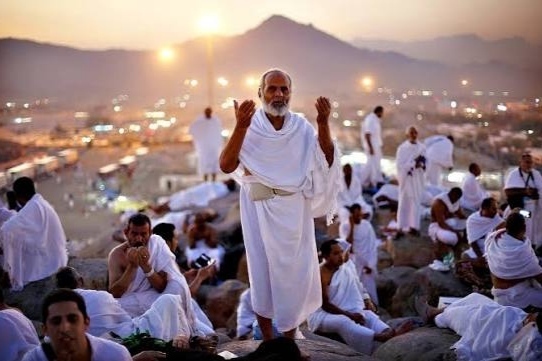
Throughout history, this Eid has not remained just a religious occasion, but has also become a part of the culture and identity of Islamic societies. In different countries, Muslims celebrate this day with different customs and traditions, but its main message is the same everywhere: faith, sacrifice, and empathy.
Today, Eid al-Adha still maintains its place among Muslims, and despite changing lifestyles and social conditions, its spiritual and social message is still alive and effective.
4354685
