


Arbaeen: More Than a Mourning Ritual
IQNA – Arbaeen is far more than a mourning ritual, the head of the Cultural and Educational Committee of Iran’s Central Arbaeen Headquarters emphasized.
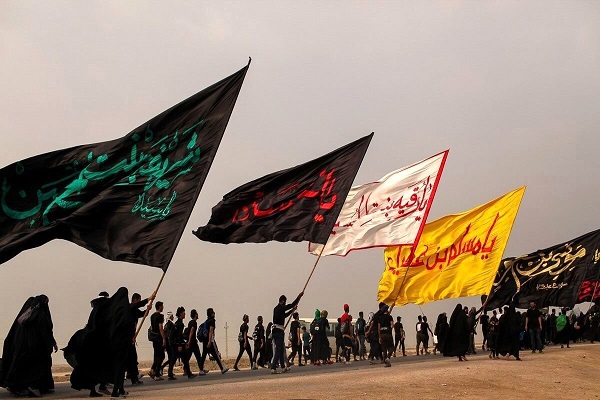
Hojat-ol-Islam Hamid Ahmadi said that while grief and mourning are inseparable elements of the occasion, the spirit of Arbaeen is rooted in the pursuit of truth, the search for identity, and the affirmation of human dignity.
He made the remarks in an interview with Radio Arbaeen, adding that the gathering of millions of people from different nationalities, cultures, and religious backgrounds, without any discrimination, reflects mutual respect, equality, humility, self-sacrifice, and other moral virtues.
These characteristics, he said, have made Arbaeen a unique example of social and civilizational life.
Arbaeen and the Resistance Front Are Two Sides of the Same Reality
Referring to the current regional situation and questions raised by some people about whether they should participate in this year's Arbaeen pilgrimage, Ahmadi said that, based on religious inquiries and expert assessments, both the "field of resistance" and Arbaeen must be preserved, as Arbaeen represents the continuation of the resistance front, while the resistance front itself is an extension of the path of Arbaeen.
He added that the message of Arbaeen is that free nations will not submit to oppression, humiliation, or injustice and are not intimidated by threats or aggression. Although enemies have attempted to discourage participation through various measures, he stressed that the pilgrimage must continue.
Arbaeen Has Forged an Unbreakable Bond Between the Iranian and Iraqi Peoples
Speaking about relations between Iran and Iraq, Ahmadi said the large-scale participation of Iraqis in the funeral ceremonies of the martyred Leader of the Islamic Revolution was the result of years of solidarity and companionship between the two nations during Arbaeen.
He noted that enemies had long sought to create divisions between the Iranian and Iraqi peoples, but, as the Supreme Leader stated, "Hussein unites us." Imam Hussein (AS), he said, has once again brought the hearts of the two nations together, creating a bond that cannot be replaced.
Ahmadi emphasized that the presence of Iranian pilgrims is of special importance to the Iraqi people, who often refer to Iranians as the "salt of Arbaeen," signifying their essential role in the pilgrimage. During the COVID-19 pandemic, many Iraqi mawkib organizers expressed sadness over the absence of Iranian pilgrims, saying Arbaeen had lost its familiar atmosphere without them.
Family Participation in Arbaeen Is Training for a God-Centered Life
Encouraging families to participate in the Arbaeen walk, Ahmadi described the pilgrimage as one of the best opportunities for family travel because it allows family members to step away from daily routines and dependence on social media, while sharing experiences of solidarity, patience, cooperation, and mutual support.
He added that the martyred Leader of the Islamic Revolution regarded pilgrimage and Arbaeen as training for a "God-centered way of life," where people make decisions together, endure hardships, adapt to new circumstances, and put patience and responsibility into practice.
Accommodation in Iraqi Homes Available for Pilgrims
Ahmadi said that, through an initiative launched by the late Abu Mahdi al-Muhandis with the support of the late Lieutenant General Qassem Soleimani, a system has been established to register accommodation offered by Iraqi families.
According to him, approximately 1.3 million accommodation spaces in private Iraqi homes have been registered this year in Najaf, Karbala, Hillah, and other cities along the pilgrimage route. Pilgrims can use the designated application to select and reserve suitable accommodation.
He described the initiative as an exceptional example of the generosity and hospitality of the Iraqi people, adding that pilgrims should show appreciation by respecting their hosts' rights, limiting the length of their stay, helping maintain cleanliness, and treating the homes with care.
Expressing Gratitude to the Iraqi People Is a Moral Duty for Iranian Pilgrims
Referring to Iraq's support for Iran in recent months, Ahmadi said Iranian pilgrims have an even greater responsibility this year to express their appreciation to the Iraqi people. He noted that Iraqis participated extensively in the funeral ceremonies of the martyred Leader of the Islamic Revolution and that more than 200 Iraqi mawkibs traveled to various Iranian cities to provide services and express solidarity with the Iranian people.
He added that Iraqi mawkib organizers visited the families of martyrs and offered their condolences, demonstrating Islamic brotherhood. Iranian pilgrims, he said, should reciprocate this kindness.
Ahmadi also stressed the importance of respecting Iraqi laws and regulations, saying that respect for the sovereignty, legal system, and culture of the host country reflects the cultural maturity, courtesy, and sense of responsibility of Iranian pilgrims.
He expressed hope that Iranian pilgrims, by observing ethical conduct, respecting the Iraqi people, and making the most of the spiritual opportunity of Arbaeen, would further demonstrate the messages of unity, resistance, human dignity, and solidarity within the Muslim Ummah.
Source: Radio Arbaeen
