


Mohamed al-Naqshbandi; A Master of Ibtihal, A Central Ramadan Figure in Egypt
IQNA – Saturday, February 14, marked the anniversary of the death of late Egyptian qari and Inbtihal reciter Sheikh Sayyid Mohamed al-Naqshbandi.
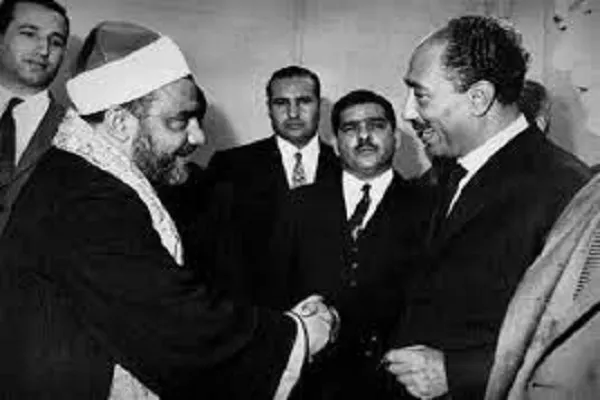
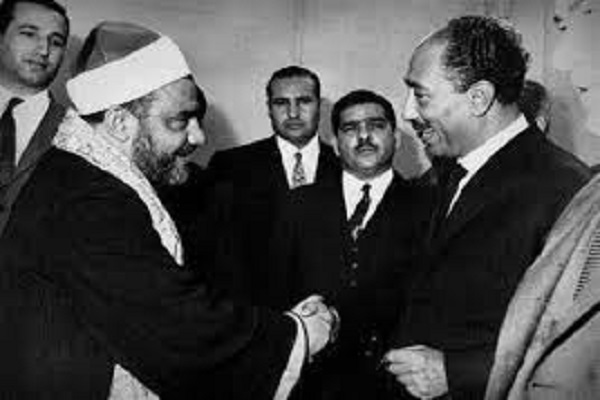
He was a master of Ibtihal (religious chants), and a central figure in Ramadan in Egypt and the Arab world, as his Ibtihal recitations before the Maghrib prayer of Ramadan captivate hearts.
Naqshbandi was born in 1920 in a village in Egypt’s Dakahlia Governorate. His family moved to the city of Tahta in Upper Egypt when he was 10 years old. He memorized the Holy Quran and learned Ibtihal in Tahta’s dhikr circles among followers of the Naqshbandi Sufi order. His father was the head of this order and a renowned scholar after whom the Naqshbandi order is named.
Naqshbandi was fond of reading the works of Manfaluti, Akkad, and Taha Hussein, and memorized hundreds of verses of poetry by Imam Busiri, Ibn al-Farid, and Ahmad Shawqi.
One of the most prominent features of the holy month of Ramadan in Egypt has been his captivating, powerful and distinctive voice that stir emotions and move millions of people during the Iftar. His beautiful Ibtihal recitations, which came from his heart, touch emotions of Muslims and make them repeat the words with reverence.
Naqshbandi was one of the most prominent figures in religious supplication, recitation and Tawasheeh. It has been said about Naqshbandi that he had an exceptional ability in prayer and eulogy, to the point of becoming the founder of a school of thought. He was known as the “Voice of the Humble”, the “Divine Nightingale” and the “Imam of the Eulogists”.
No ceremony was complete without Sheikh Naqshbandi performing at then Egyptian president Anwar Sadat’s celebrations.
Read More:
Sheikh Naqshbandi met composer Baligh Hamdi and the late Wajdi al-Hakim during his presence at the engagement party of Sadat’s son. During the meeting, Sadat told the audience: “Turn on the radio; I want to hear Naqshbandi with Baligh Hamdi.”
Naqshbandi began recording Ibtihal recitations for Egyptian radio stations, which became known as (preachers) during the Maghrib call to prayer during the month of Ramadan.
Naqshbandi died in 1976 at the age of 56. This was despite the fact that he was not suffering from any illness and shortly before his death, he wrote his will and requested to be buried next to his mother in the Khalutiya Tariqat cemetery in Al-Bastain. He stipulated that no funeral ceremony be held for him, but that condolences and obituaries be published in newspapers.
4334443
