

Martyred Leader’s Life, Personality Manifestation of A Quranic Verse

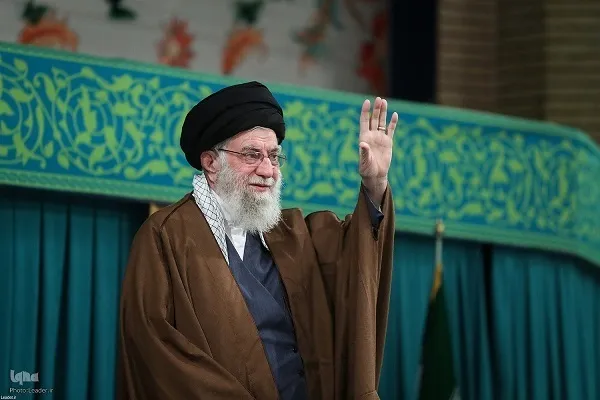
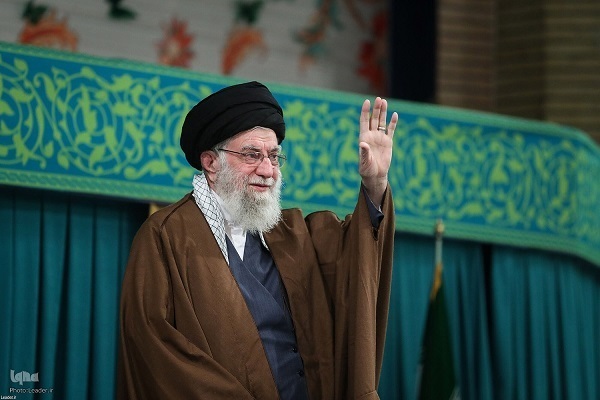
Ayatollah Khamenei’s personality was a living and shining interpretation of “Ashshida’a ‘ala al-kuffar ruhama bainahum” (harsh against the unbelievers but merciful to one another), and his message continues to teach believers around the world respect, unity, and steadfastness, Ahmad Reza Rizvi Zararah, head of the Qom Branch of the Majlis Ulema-e-Hind, wrote in an article, which is as follows:
The Holy Quran is not just a book of guidance for human society, but a complete system of life. It describes the characteristics of the faithful personalities who constitute a righteous society. One of these excellent characteristics is described in Verse 29 of Surah Al-Fath:
“Muhammad is the Messenger of Allah. Those who are with him are harsh against the unbelievers but merciful to one another.”
There are figures in the history of Islam who embodied the meaning of this verse throughout their lives. The personality of the Supreme Leader (Ayatollah Seyed Ali Khamenei) was a shining example of this Quranic standard. In his blessed life, compassion and firmness, love and perseverance, patience and courage were combined in a beautiful balance.
A symbol of mercy for the believers
The first and most prominent aspect of the personality of the Supreme Leader was his tenderness of heart and deep love for the Ummah. He did not see the Ummah as merely a political or social group, but rather as a large family.
The fragrance of love permeated his speeches, paternal kindness in his tone, and sincerity in his behavior. His empathy with scholars, students, youth, fighters, and the disadvantaged classes was so prominent that everyone felt safe and loved in his presence.
On many occasions, he called upon the youth to hope, self-confidence, and religious insight. He believed that the true capital of the Ummah was its awake and faithful youth. For this reason, he always considered it his duty to educate and guide them.
Read More:
According to the Supreme Leader, the foundation of Islamic society should be based on love, brotherhood, and mutual cooperation. He advised the Ummah to avoid differences and divisions, and always emphasized Islamic unity. This is the same characteristic that the Holy Quran describes with the phrase “merciful to one another.”
Standing Up to the Enemies of Islam
If one aspect of his personality was love and kindness, another was extraordinary courage and steadfastness. When it came to Islam, the Ummah, and the rights of the oppressed, he did not believe in any expediency or weakness.
He always took a clear and forthright stance against arrogance, oppression, and colonialism. The same spirit that the Quran describes with the phrase “harsh against the unbelievers” was present in his statements and actions.
He believed that if the Islamic Ummah wanted to maintain its dignity and independence, it should take the path of steadfastness instead of bowing down to false forces. He proved with his leadership that a leader who stands with faith, insight, and firm determination can defend the right even against the greatest powers.
Jihadi Life and Intellectual Leadership
The Supreme Leader's life was not limited to ideological speeches, but he was a man of action. His life was jihad, awakening, and service to religion.
Read More:
He gave the Ummah a message of intellectual awakening and made it clear that Islam is a living and dynamic religion that does not allow silence in the face of oppression and tyranny. His leadership breathed the spirit of self-respect, freedom and resistance into the hearts of millions.
His vision was such that even in the most complicated situations, he was able to show the right path to the Ummah. He always emphasized that Muslims should move forward not only based on emotions, but also with knowledge, wisdom and deep religious understanding.
Morality, Humility and Spirituality
Despite being a great leader, he was a very humble person. He considered simplicity, worship and spirituality to be the core of his life.
Those who came to his presence often describe that his words had a purity that changed hearts. He considered power not as a goal but as a responsibility and always considered himself accountable to God.
A lasting message for the Ummah
The life of the Supreme Leader teaches us that Islam is a balanced and comprehensive religion. A true believer is one who embodies love and mercy for his brothers and is a model of steadfastness and courage in the face of the enemies of the truth.
Although he is not physically present among us today, his thoughts, message, and jihadi life continue to be a shining beacon for future generations.
His life reminds us that the verses of the Quran are not just for recitation, but for implementation in our lives. When a leader steps forward with faith, sincerity, and courage, he is more than an individual and becomes a movement.
Without a doubt, the personality of the Supreme Leader was a living and shining interpretation of “Ashshida’a ‘ala al-kuffar ruhama bainahum” (harsh against the unbelievers but merciful to one another), and his message continues to teach believers around the world respect, unity, and steadfastness.
4350476
