


Comprehensive Map of Islamic Sciences Resources Compiled Using Noor Doc AI
IQNA – An official with the Noor Digital Libraries Group announced the integration of humanities and Islamic sciences theses by introducing the “Noor Doc” database as the latest link in the chain of resources of the Qom-based Computer Research Center of Islamic Sciences (Noor).
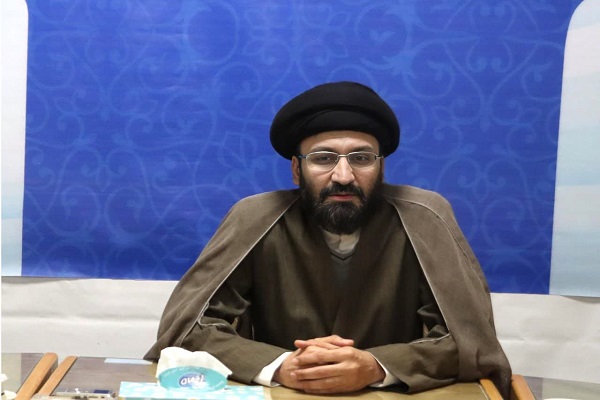
Hojat-ol-Islam Seyed Mostafa Tabatabaei, he director of the scientific group of the Noor Center’s digital libraries, speaking at a press conference in Qom on Saturday, emphasized the necessity of facilitating the research process and preserving the scientific authenticity of the texts.
Soon, the theses of the Islamic seminaries will also be added to the rich treasury of the Noor Doc system, he said, adding that the main mission of the Noor Center is to provide easy access for researchers and scholars of Islamic and humanities digital sciences for smart research.
He continued, “The most important mission of the Noor Center, in the first step, is to facilitate access to Islamic sciences resources. In the next step, the priority is to reprocess information, perform intelligent tasks, and facilitate scientific research on this data, so that access to information and its analysis becomes much smoother.”
He said that to achieve this goal, one of the key issues in the aforementioned phases is to collect and digitize all sources of Islamic sciences and related humanities.
“Accordingly, the center first digitized books, then entered the field of papers, and in this section, first collected scientific journals, and then conference papers and other specialized articles.”
Hojat-ol-Islam Tabatabaei said that after these steps, one of the important gaps and missing links in scientific information was theses and by filling this gap, a complete chain of data and resources of humanities and Islamic sciences would be formed.
“For the presentation of books, the ‘Noor Lib’ site, for journals and papers, the ‘Noor Mag’, and for theses, the ‘Noor Doc’ site were launched. The general structure and template of this new database are designed to be similar to Noor Mags and Noor Lib.”
He clarified that users can view the complete list of theses, search the text of all of them, download any desired thesis, or read it online.
Read More:
The official added that gradually, all the capabilities available in the two previous databases will be created in Noor Mags, and the artificial intelligence tools that have been launched or will be launched in Noor Mags and Noor Lib will be added to this collection.
Hojat-ol-Islam Tabatabaei said, “Also, by integrating information behind the scenes, including books, journals, and theses, various other tools will be made available to researchers. Among these measures is the ‘Samim Noor’ project, which was designed to prevent plagiarism and uses an intelligent and under-development engine to examine each submitted text (article, book, or thesis) and determine its level of originality and unauthorized citations. For accurate detection, this database requires complete coverage of scientific sources behind the scenes, which fortunately has been enriched by the addition of theses.”
He said the first university to start cooperating with this database was the University of Tehran, and it provided us with all its theses; also, every year, after a certain period of time has passed since the defenses, they submit new theses.
He added that the number of theses from the University of Tehran has so far reached 120,585 works, and the number of universities that are parties to the contract is increasing, and soon the theses from the Seminary Management Center and specialized centers will also be added to the collection.
“The distinctive point of all the products of the Noor Center compared to some similar databases is that we focus on collecting texts of Islamic sciences and humanities, and therefore we do not impose any restrictions in terms of language and geography. For example, we have currently prepared a large volume of theses from Al-Azhar University in Egypt, which is considered a rare treasure in Islamic sciences, and we are gradually placing them on the site. Also, with any university that we can sign a contract with, its theses will also be added.”
He noted that universities usually offer services for submitting theses for a fee, but when all theses are concentrated in one database, researchers can easily find, download and prepare them.
He went on to say, “In addition to the scientific value of theses, their other importance is in providing students with a model for writing their own theses and familiarizing them with similar defense methods, which has a significant impact on improving the research process. These facilities make the work much easier for researchers.”
4365953
