

Halal Certifications Reassure Muslims in Japan

"All blood was drained from this halal chicken and there will be no unnecessary flavor or smell remaining after it’s cleverly prepared,” said Hicham Rifki, the owner of Le Maghreb Chandelier, a Moroccan restaurant in Minato Ward, Tokyo, to four Japanese who participated in a cooking class held at his restaurant.
The four students were amazed at the secret in the preparation.
The word halal literally means "permissible” in Arabic. Some foods and drinks are forbidden, such as pork and alcohol. Beef and chicken have to be processed using appropriate methods.
The issuance of halal certifications in Japan by organizations such as Islamic religious institutions and general incorporated associations has been spreading following a yearly increase in the number of tourists from other countries.
Aquil Siddiqui is the chairman of Japan Islamic Trust in Toshima Ward, Tokyo, which is one of those certifying organizations.
Siddiqui said, "We have been issuing the certification since 1999 and there has been a sharp increase in the past year.”
The Taito Ward Office started subsidizing the cost of obtaining the certification from October last year and the office has received 17 applications in a period of six months, almost twice as many as it had expected.
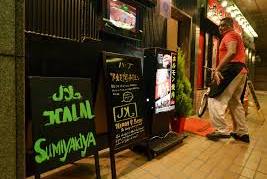
Panga, a barbecue restaurant in Taito Ward, Tokyo, displays a halal logo in its dining area, having obtained the certification in November last year. The restaurant buys a whole cow that is prepared as wagyu beef by Muslims before being served to customers. Panga has experienced some difficulties. For instance, it spent two months developing a dipping sauce without sake or mirin, two common Japanese ingredients that contain alcohol. Currently, an average of about 20 Muslims a day dine at the restaurant.
Baharuddin Abdullar from Malaysia said: "I feel at ease when I find the halal logo. The meat and the dipping sauce are both fresh and delicious.”
Source: The Japan Times
