


Bulgaria’s Bayrakli Mosque; An Architectural Masterpiece Combining Baroque and Islamic Art
IQNA – The Bayrakli Mosque in the city of Samokov, Bulgaria, combines late Ottoman art with the European Baroque architectural style.
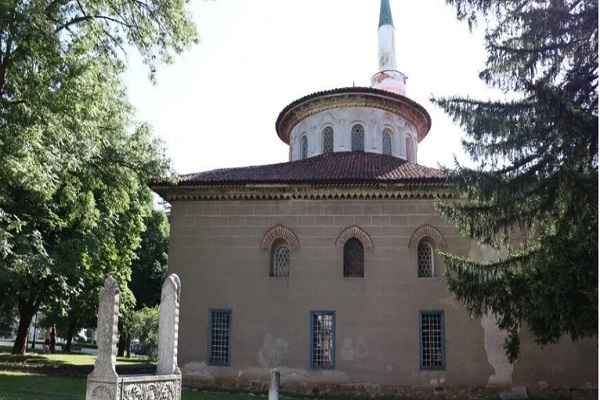
It is one of the most prominent historical monuments remaining from the Ottoman era in this country and a destination for visitors and researchers of heritage and history.
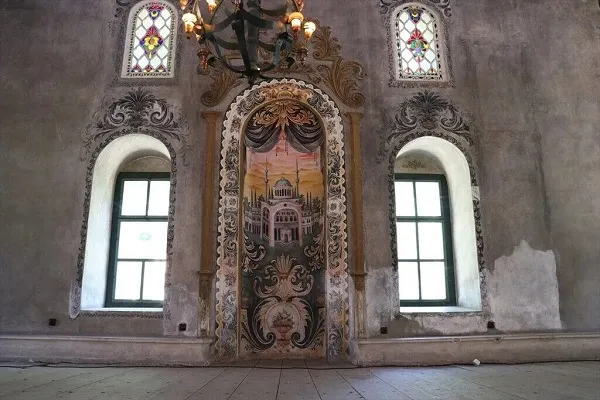
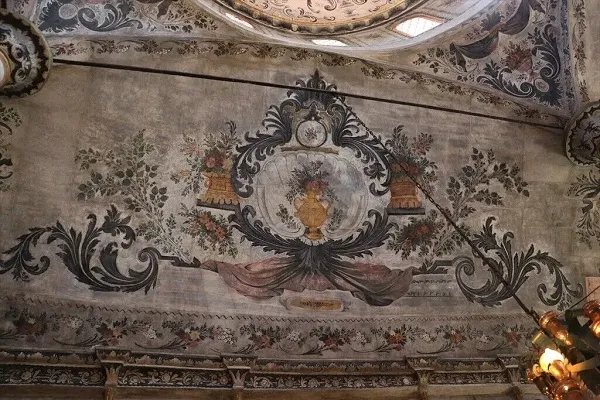
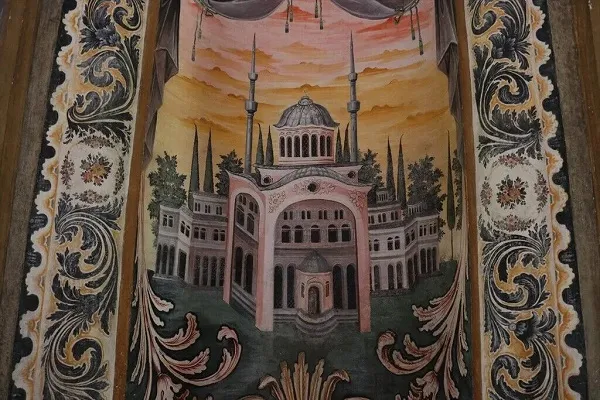
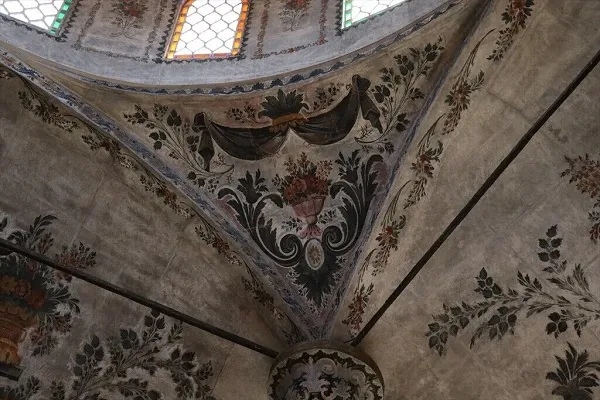
This mosque is a rare example of Ottoman architecture influenced by Baroque art. Its walls and ceilings are adorned with floral motifs, designs and patterns that imitate the folds of fabric, along with decorative elements that reflect the fusion of Ottoman artistic taste with the influences of the Baroque and Rococo styles that flourished in Western Europe in the 18th and 19th centuries.
The mosque is believed to have been built in 1845 and is now open to visitors as a museum. The mosque is protected as a cultural heritage site in Bulgaria and is considered one of the most outstanding examples of the historical and cultural identity of the city of Samokov.
Veselin Hajianilov, director of the Samokov Historical Museum and an archaeologist, said the Bayrakli Mosque was built on the ruins of an older and larger mosque.
He added that the most accepted historical version is that it was built in honor of the Ottoman governor of Samokov, Mehmed Khosrow Pasha.
He explained that the interior decorations of the mosque were probably created by some of the most prominent artists of the Samokov school of painting, including Hristo Jović, Ivan Dospevski and Kosta Valjović.
The archaeologist added that the decorations differ from the traditional style of Islamic architecture and clearly show the influences of the European Baroque style, making the mosque one of the rarest examples of its kind in the Balkans.
He pointed to a story circulating among the city’s residents that the mosque authorities had requested the removal of the decorations, but Mehmed Khosrow Pasha recognized their artistic value and ordered their preservation, so that they remain the most striking feature of the monument to this day.
Hajianilov said that restoration work carried out in the 1960s revealed important details about the construction of the mosque. He explained that the vaults supporting the dome were constructed using natural, sloping pine logs brought from the high altitudes of the Rila Mountains in southwestern Bulgaria. Instead of using nails, the builders used the technique of connecting wooden beams to connect the building components, an engineering method that demonstrates a high level of craftsmanship at the time.
He added that the restoration work also led to the discovery of a large number of religious manuscripts written in Ottoman Turkish inside the mosque, indicating that Samokov was an important center of culture and education during the Ottoman period.
Despite the mosque’s historical and artistic value, Hajianilov warned of the challenges that threaten its preservation, explaining that the lack of comprehensive maintenance of the building’s roof over the years has led to rainwater leaks that have affected the frescoes and wall decorations.
Hajianilov added that the relevant authorities have prepared a new project for the restoration and maintenance of the mosque, but efforts to secure the necessary funds for its implementation, in order to preserve the historical monument, are still ongoing.
Read More:
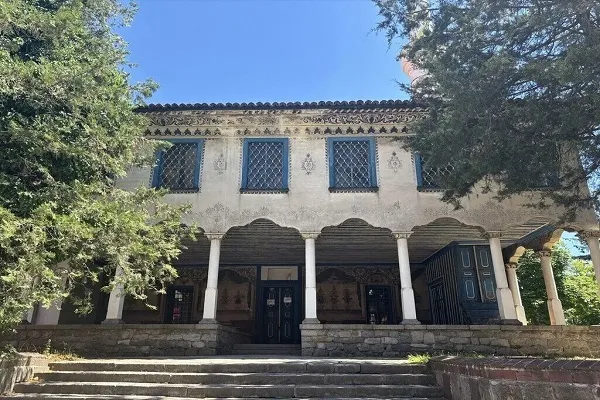
He confirmed that the Bayrakli Mosque continues to attract visitors from within Bulgaria and abroad, noting that the museum management has placed a telephone number at the entrance to the building so that visitors can call and request access.
He added that the mosque surprises visitors, especially since it is located in a city with six churches, yet has remarkably preserved its historical status.
“When people see that the door is open, they enter to discover this unique and distinctive building, and we are very proud of this mosque,” he continued.
Hajianilov concluded by emphasizing that the implementation of the restoration project has become an urgent necessity to ensure the future of the mosque, emphasizing that the preservation of cultural property requires providing the right conditions for its preservation.
4366074
