


Martyred Leader’s Funeral An Unprecedented Display of Public Devotion
IQNA – The editor-in-Chief of Iraq's Al-Sharq newspaper described the funeral procession of the martyred Leader of the Islamic Revolution Ayatollah Seyed Ali Khamenei as an unprecedented display of public devotion and international solidarity.
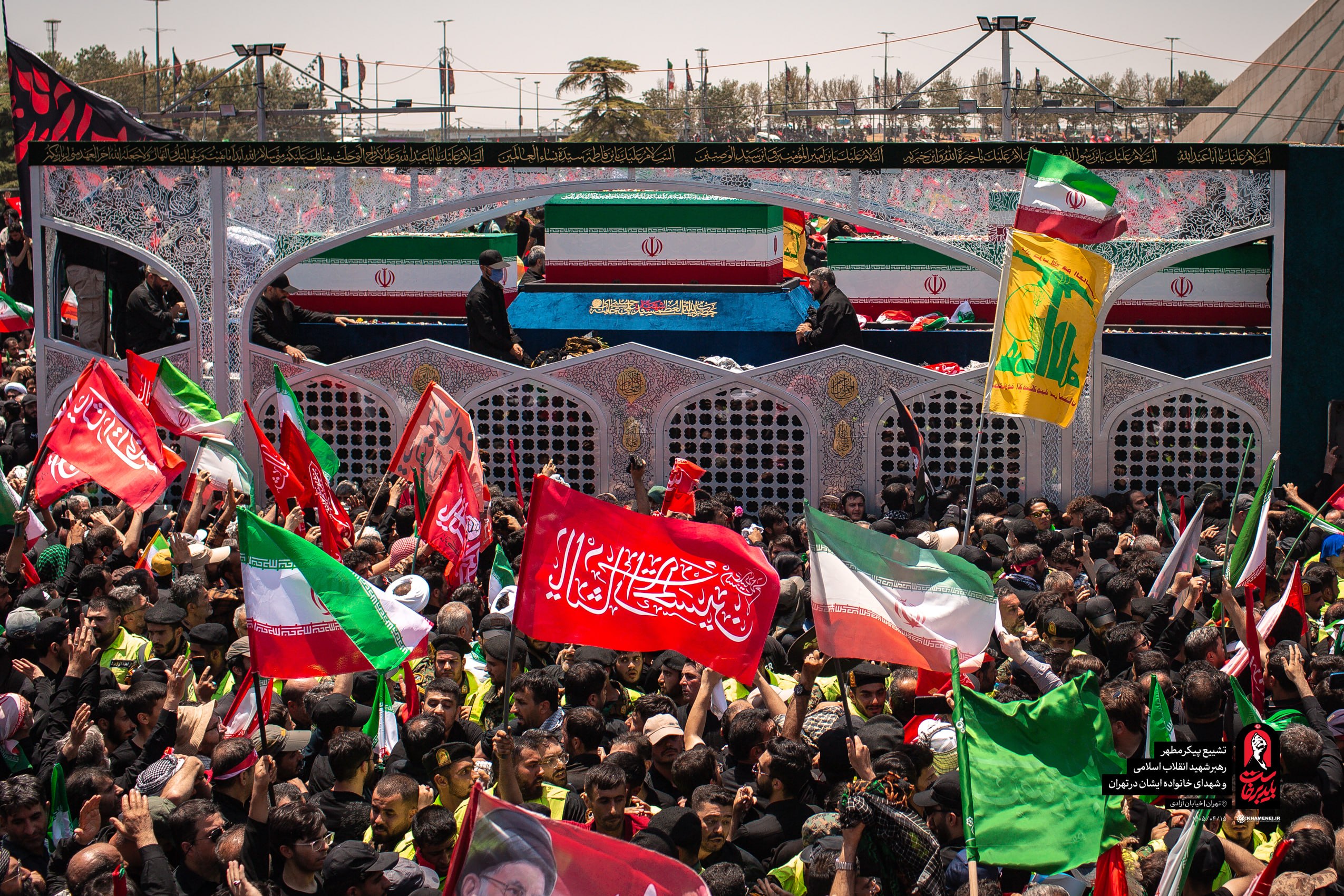
Abdulrasoul Al-Asadi has published an article titled "The Magnificent Funeral of a Great Leader," in which he argues that the massive turnout reflected the late leader's enduring influence and portrayed the ceremony as a symbol of the continuation of the path of resistance, justice, and support for the oppressed.
The article is as follows:
Voices echoed across the streets as vast crowds rushed to receive the body of the martyred leader, Ayatollah Ali Khamenei—a revolutionary symbol, a steadfast leader, and the architect of a new equation of deterrence. He laid the intellectual foundation for a nation of believers in martyrdom and self-sacrifice, committed to achieving ultimate victory over its enemies.
"Ya Litharat al-Shahid al-Qa'id" ("O avengers of the martyred leader") was the stirring slogan chanted by millions in Tehran as they expressed their devotion to the Leader of the Islamic Revolution, the guardian of the path of truth and a follower of Imam Hussein (peace be upon him), the father of all who seek freedom. The slogan reflected the depth of commitment to this cause and an exceptional ability to redefine its principles, translating decades of struggle against arrogance, Zionism, and oppression into a living reality and paving the way for what supporters see as a decisive victory of truth over falsehood.
The images from the funeral conveyed far more than words could describe. Language alone cannot capture the profound emotions that filled the hearts of those bidding farewell to the martyred leader. Mourners from dozens of countries gathered in an extraordinary display of solidarity. The presence of political, popular, religious, cultural, and tribal delegations representing numerous nations and communities reflected the late leader's standing on the human, social, and revolutionary levels. In the author's view, he succeeded in building a strong and capable state that shattered the ambitions of aggressors and dealt them a humiliating defeat.
This historic funeral resembled no other. Millions of mourners from across Iran and abroad continued to participate, presenting a vivid image of the prominent position held by the late leader and of his unwavering commitment to defending the oppressed and the vulnerable around the world. He consistently portrayed himself as the voice of oppressed nations, a defender of the deprived, and a supporter of those who stood against injustice, occupation, and global arrogance.
The ceremony also served, according to the author, as a symbol of Iran's strength in confronting the front of global arrogance and as evidence of the continuity of the path of justice, resistance, and steadfastness. The massive and vigilant public participation, he argued, delivered a clear message to the world that the path of guardianship and struggle would continue uninterrupted.
The funeral also offered an opportunity to renew allegiance to the ideals of the Islamic Revolution and to honor decades of jihad, patience, sacrifice, and what the author described as the wise leadership of a righteous servant of God—a leader who devoted his life to Islam, the Revolution, and the dignity of the Muslim Ummah, leaving future generations a lasting legacy of faith, resistance, and hope.
Peace be upon him on the day he was born, the day he was martyred, and the day he is raised to life again.
Source: alsharqpaper.com
