

Dagestani Artist And Spiritual Experience of Quran Calligraphy

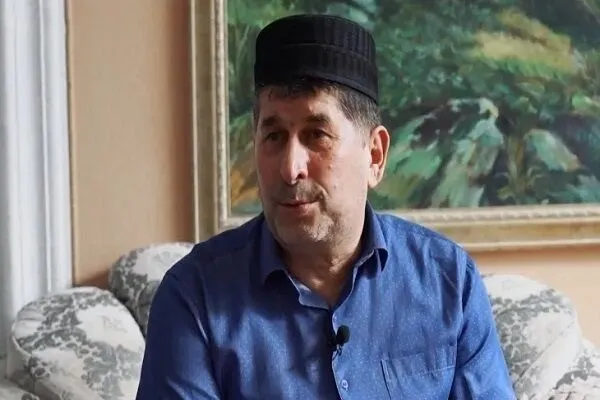
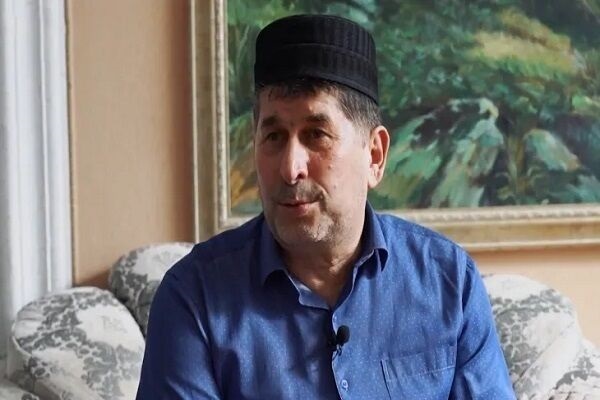
Ashirlayev, a calligrapher with more than 35 years of experience in the art of Arabic calligraphy and Tazhib (illumination), has handwritten the entire Quran, an achievement that has been considered rare in the region in recent decades.
Known in Dagestan for his work in decorating and illuminating mosques, Suleiman is respected in religious and cultural circles and has received local honors and awards for his long-standing work in preserving and developing the art of Arabic calligraphy.
In an interview with Al Jazeera, Ashirlayev said that his relationship with Arabic calligraphy began in childhood, when he first became fascinated with the shape of letters.
Recalling one of his earliest memories, he said, “I remember before starting school, when I first saw my name in my father’s handwriting, I wrote it with a red pencil. I was about five years old, and from that moment my true interest in Arabic calligraphy began.”
Over the years, Ashirlayev decorated dozens of mosques in Dagestan and other regions with his art, and participated in the decoration of more than 100 mosques before deciding to start writing the entire Quran.
The calligrapher said that he devoted most of his time to writing the Quran, which took four months and 19 days of continuous writing every day, excluding prayer times and other necessary work in his village.
Ashirlayev does not attribute the value of handwritten Qurans solely to their age or rarity; rather, he believes that the most important feature of these Qurans lies in the quality of the calligraphy and the mastery of the artistic rules adopted in this field.
Read More:
He said many people give him old Qurans to evaluate, but he believes the real value lies in the beauty of the calligraphy and the calligrapher’s adherence to the principles of the art established by calligraphers over the centuries.
Ashirlayev decided to write the Quran in Thuluth script, one of the most complex types of Arabic calligraphy, which is used for the decorations and verses on the Kiswa (Kaaba curtain).
He said he chose this script with the aim of creating a work that reflects the connection between the people of Dagestan and the Caucasus and the Holy Quran.
4356953
