


Global Forum Calls for Stronger Economic Links Across Muslim Business Community
IQNA – A senior organiser of the Global Muslim Business Forum has urged closer economic cooperation among Muslim-majority markets to strengthen their collective influence.
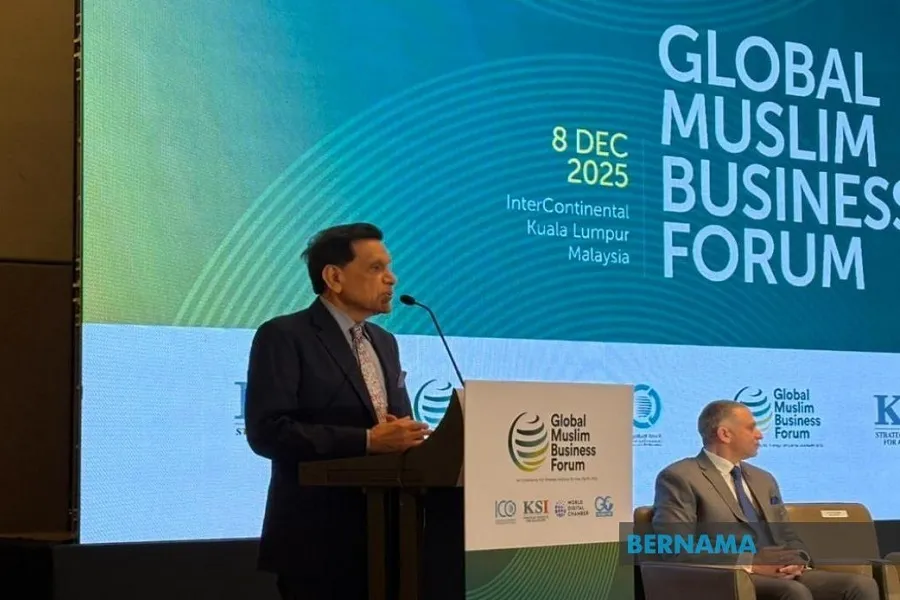

The remarks were made at the 2025 Global Muslim Business Forum, held on Monday and organised by the KSI Strategic Institute, the Islamic Chamber of Commerce and Development, and Global One, a UK-based UN-accredited NGO.
The event brings together policymakers, business executives and researchers to discuss long-term economic strategies for Muslim communities worldwide.
Forum president Mohamed Iqbal Rawther said the global Muslim population — approaching two billion — represents a significant commercial bloc with expanding demand in sectors such as food, finance, and technology, Bernama reported.
He argued that this scale underscores the need for stronger partnerships among Muslim-majority economies.
In his opening address, he said the Ummah “is not a marginal player” and could become a significant economic force if cooperation deepens.
He added that building broader commercial links would help shape markets as Muslim-majority countries pursue shared economic interests.
Read More:
Mohamed Iqbal, who also serves as deputy chairman of the KSI Strategic Institute for Asia Pacific, said some governments have historically supported engagement within the Muslim business ecosystem.
He pointed to examples of participation in Islamic finance, halal certification and trade networks as areas where cross-border collaboration has developed.
He said the forum aims to expand dialogue on these issues, noting that regional platforms — including those in Southeast Asia and the Persian Gulf — could help facilitate cooperation between diverse economic regions.
Muslims account for an increasingly important share of global consumption. According to industry estimates, Muslim consumer spending reached US$2.29 trillion in 2022, fuelled by rising demand for halal products, pharmaceuticals, modest apparel, travel services and media content.
Source: Agencies
