بیانیه کنسرسیوم گردشگری اصفهان درباره تجاوز آمریکایی صهیونیستی به میراث تاریخی اصفهان
کنسرسیوم گردشگری استان اصفهان با صدور بیانیهای، ضمن محکومکردن حمله آمریکایی صهیونیستی به میراث تاریخی اصفهان، خواستار برخورد قانونی با عاملان این جنایات از سوی مجامع ذیربط بینالمللی شد.
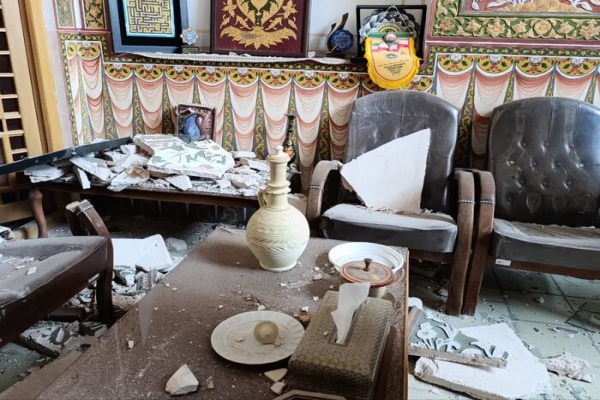 به گزارش ایکنا از اصفهان، در پی آسیبهای گسترده به میراث تاریخی نصف جهان در تجاوز آمریکایی صهیونیستی به میهن اسلامی، کنسرسیوم گردشگری استان اصفهان بیانیهای در این زمینه به فارسی و انگلیسی صادر کرده که متن آن به شرح زیر است:
«اصفهان در جایگاه یکی از برجستهترین کانونهای میراث فرهنگی و معماری در جهان، دارای مجموعهای کمنظیر از بناها، محوطهها و عناصر تاریخی است که بخشی از آنها در فهرست میراث جهانی یونسکو به ثبت رسیدهاند. بر پایه گزارشها و مستندات اولیه موجود، شماری از بناها و مجموعههای تاریخی اصفهان در پی حملات ددمنشانه رژیم آمریکایی، صهیونی دچار آسیب جدی شدهاند.
از جمله این آثار میتوان به کاخموزه چهلستون، مسجد جامع عباسی، بازار قیصریه، مسجد شیخ لطفالله، عمارت عالیقاپو، عمارت رکیبخانه، تالار اشرف، تالار تیموری و مجموعه دولتخانه صفوی اشاره کرد. این آثار نهتنها بخشی از هویت تاریخی و فرهنگی ایران، بلکه بخشی از میراث مشترک بشریت بهشمار میروند.
اسناد و گزارشهای موجود نشان میدهد که در بعضی از این بناها، آثار ناشی از لرزش و موج انفجار موجب تشدید آسیبهای پیشین و ایجاد صدمات تازه شده است. این آسیبها شامل تشدید نشست پی، رانش عناصر قائم باربر، جداشدگی تزئینات وابسته به سازه، حرکت سنگهای ازاره، جداشدن کاشیها و گچبریها و نیز صدمه به اجزای معماری و حفاظتی بناها بوده است.
درباره عمارت عالیقاپو، گزارش اولیه از شکستهشدن و از جا درآمدن درها و پنجرههای چوبی، شکستهشدن بیش از ۷۰ درصد شیشهها، جداشدن بستر گچبری از سازه در ایوانهای جنوبی و غربی، متورم و جداشدن کففرش بعضی طبقات و همچنین آسیب به سامانههای پایش و حفاظتی حکایت دارد.
خسارتهای واردشده به پایگاه میراث جهانی چهلستون اصفهان نیز شامل موارد جدی در سازه، تزئینات و اجزای معماری است. گزارش بر احتمال حرکت سازه در ستونهای ایوان اصلی، انحراف ستونها، ترک در پای ستونها و ریزش سقفها تأکید دارد. همچنین، تزئینات نفیس بنا از جمله نقاشیها، آینهکاریها، مقرنسها، گرهچینیها و دربهای ارسی دچار شکستگی، جابهجایی و تخریب گسترده شدهاند. بخشهایی از کوشک میانی، تالار اصلی و اتاق چهارشنبهسوری، همچنین ساختمانهای مجاور و بخش موزهای مجموعه نیز دچار آسیب و ریزشهای موضعی سقف شدهاند. برآورد اولیه، خسارت وارده به تزئینات را ۳۰ تا ۳۵ درصد تخمین زده است.
هر گونه آسیب به بناهای تاریخی اصفهان، صرفنظر از گستره ظاهری آن، میتواند پیامدهایی عمیق و گاه جبرانناپذیر برای اصالت، تمامیت و بقای این آثار به دنبال داشته باشد. در بسیاری از موارد، ارزیابی دقیق خسارتها نیازمند بررسیهای علمی، فنی و میدانی گسترده است؛ زیرا بخشی از آسیبها ممکن است در لایههای زیرین سازه یا در اتصالات پنهان معماری نهفته باشد و فقط با بررسی تخصصی آشکار شود.
این در حالی است که آسیب به این میراث تمدنی، آثار منفی قابلتوجهی نیز بر صنعت گردشگری استان اصفهان خواهد داشت؛ چراکه میزان درآمد مستقیم بناهای مورد حمله در این ایام در ۱۲ ماه سال ۱۴۰۴ با وجود ناامنی بهدلیل جنگ تحمیلی ۱۲ روزه، بیش از ۳۷ میلیارد و ۲۷۵ میلیون تومان، معادل ۴۶ میلیون و ۵۹۵ هزار دلار بوده است و آسیبهای فوق میتواند از میزان رونق گردشگری این ابنیه بکاهد.
کنسرسیوم گردشگری استان اصفهان ضمن محکومیت شدید این اقدامات جنایتکارانه، با ابراز نگرانی عمیق نسبت به وضعیت این آثار ارزشمند، از یونسکو، ایکوموس، مراکز تخصصی حفاظت از میراث فرهنگی، پژوهشگران، مرمتگران، اهالی رسانه و تمامی فعالان حوزه میراث در سطح ملی و بینالمللی میخواهد که ضمن محکومکردن حمله به میراث تمدنی اصفهان از سوی آمریکا و رژیم صهیونیستی، با دقت و حساسیت این وضعیت را دنبال کنند و برای موارد زیر اقدام فوری را در دستور کار قرار دهند:
مستندسازی جامع و بیطرفانه خسارات
اعزام یا حمایت از هیئتهای تخصصی ارزیابی
پایش مستمر وضعیت سازهای و تزئینی بناها
حمایت از اقدامات حفاظتی و مرمتی فوری
جلب توجه جامعه جهانی میراث فرهنگی به خطرات پیشروی آثار تاریخی اصفهان با ادامه حملات ددمنشانه آمریکا و رژیم صهیونیستی
برخورد قانونی با عاملان این جنایات از سوی مجامع ذیربط بینالمللی
میراث فرهنگی، سرمایهای متعلق به یک ملت یا منطقهای خاص نیست، بلکه بخشی از حافظه تاریخی و تمدنی بشریت است. از اینرو، حفاظت از آن نیازمند هوشیاری، همبستگی و واکنش مسئولانه همه نهادها و متخصصان ذیربط است.
امید است با اقدام فوری، هماهنگ و تخصصی، از گسترش آسیبها جلوگیری و زمینه حفاظت و مرمت اصولی این آثار ارزشمند هرچه سریعتر فراهم شود.
دبیرخانه کنسرسیوم گردشگری استان اصفهان
دانشگاه اصفهان»
Statement of the Isfahan Tourism Consortium on the Damage Inflicted on the Historical Heritage of Isfahan and the Urgent Need for International Attention
Isfahan, as one of the world’s most prominent centers of cultural heritage and architecture, possesses an unparalleled collection of historical monuments, sites, and cultural elements, some of which are registered on the UNESCO World Heritage List. Based on available preliminary reports and documentation, a number of historical buildings and complexes in Isfahan have sustained serious damage following brutal attacks by the American–Zionist regime.
Among these sites are the Chehel Sotoun Palace Museum, the Shah (Imam) Mosque, the Qeysarieh Bazaar, the Sheikh Lotfollah Mosque, the Ali Qapu Palace, the Rakib‑Khaneh Mansion, the Ashraf Hall, the Timurid Hall, and the Safavid Dowlat‑Khaneh complex. These monuments represent not only a part of Iran’s historical and cultural identity, but also a shared heritage of humanity.
Existing documents and reports indicate that in some of these structures, vibrations and blast waves have intensified pre‑existing damage and caused new forms of deterioration. These damages include the aggravation of foundation settlement, displacement of vertical load‑bearing elements, detachment of structural decorative components, movement of base stones, detachment of tiles and plasterwork, and damage to architectural and protective elements of the buildings.
Regarding the Ali Qapu Palace, the preliminary report indicates the breaking and dislodging of wooden doors and windows, the shattering of more than 70 percent of the glass panes, detachment of plasterwork substrates from the structure in the southern and western verandas, swelling and separation of flooring on some levels, as well as damage to monitoring and protective systems.
The damage inflicted on the Chehel Sotoun World Heritage site in Isfahan also includes serious impacts on the structure, decorations, and architectural elements. The report emphasizes the possibility of structural movement in the columns of the main veranda, deviation of the columns, cracks at the column bases, and partial roof collapses. In addition, the building’s exquisite decorations—including paintings, mirror work, muqarnas, geometric woodwork (gereh‑chini), and orsi doors—have suffered extensive breakage, displacement, and destruction. Parts of the central pavilion, the main hall, and the Chaharshanbeh‑Suri Room, as well as adjacent buildings and sections of the museum within the complex, have experienced localized ceiling collapses. Preliminary estimates place the damage to the decorative elements at approximately 30 to 35 percent.
Any damage to the historic monuments of Isfahan—regardless of its apparent extent—can have deep and sometimes irreversible consequences for the authenticity, integrity, and survival of these sites. In many cases, a precise assessment of the damage requires extensive scientific, technical, and field investigations, as some impacts may lie within underlying structural layers or concealed architectural joints and become evident only through specialized examination.
Meanwhile, damage to this civilizational heritage will also have significant negative effects on the tourism industry of Isfahan Province. The direct revenue generated by the monuments targeted in these attacks during the twelve months of the year 1404 (Iranian calendar), despite the insecurity caused by the twelve‑day imposed war, exceeded 37 billion and 275 million tomans, equivalent to 46 million and 595 thousand US dollars. The aforementioned damages may therefore reduce the tourism vitality of these monuments.
While strongly condemning these criminal acts, the Isfahan Tourism Consortium expresses its deep concern regarding the condition of these invaluable monuments and calls upon UNESCO, ICOMOS, specialized cultural heritage conservation centers, researchers, restoration experts, media professionals, and all national and international heritage stakeholders to condemn the attack on Isfahan’s civilizational heritage by the United States and the Zionist regime. The consortium also urges them to carefully monitor the situation and take immediate action on the following:
1. Comprehensive and impartial documentation of the damages
2. Deployment or support of specialized assessment missions
3. Continuous monitoring of the structural and decorative condition of the monuments
4. Support for urgent protective and restoration measures
5. Drawing the attention of the global heritage community to the dangers facing Isfahan’s historic monuments amid the continued brutal attacks by the United States and Israel
6. Legal action by relevant international bodies against the perpetrators of these crimes
Cultural heritage is not the property of a single nation or region; it forms part of the historical and civilizational memory of humanity. Protecting it therefore requires vigilance, solidarity, and responsible action by all relevant institutions and specialists.
It is hoped that through immediate, coordinated, and professional action, further deterioration can be prevented and the conditions necessary for the proper protection and restoration of these invaluable monuments can be provided as soon as possible.
Secretariat of the Isfahan Province Tourism Consortium
University of Isfahan
انتهای پیام